Osun-Osogbo Sacred Grove
A forest shrine on the Osun River, listed by UNESCO in 2005.
Last checked:
Quick facts
- State
- Osun State
- City
- Osogbo
- Category
- Landmarks
- Location
- Beside the Osun River, just outside Osogbo, Osun State
- UNESCO World Heritage Site
- Inscribed 2005 (cultural criteria ii, iii and vi)
- Core area
- About 28 hectares, with a buffer zone of about 47 hectares
- Festival
- The Osun-Osogbo Festival, every August
The Osun-Osogbo Sacred Grove is a forest shrine on the Osun River, listed by UNESCO in 2005.
What it is
The grove is one of the last sacred forests that once bordered Yoruba cities, with shrines, sculptures and the Osun River at its heart. UNESCO says it is Nigeria's second World Heritage property and a pilgrimage centre with religious activity daily, weekly and yearly.
Susanne Wenger and the revival
In the 1950s the grove was neglected and damaged. The Austrian artist Susanne Wenger (1915 to 2009) worked with the Ataoja and local people to restore its protection, and formed the New Sacred Art movement.
The Osun-Osogbo Festival
The festival is held every August over about two weeks, ending in a procession to the grove led by the Ataoja and the Arugba. Dates change each year and are not listed here.
Visiting
Opening times, fees and rules are not confirmed here, so check before you go. This is a living religious site: behave respectfully and ask before photographing shrines or rituals.
Osun State is not named in the UK Foreign Office's regional advice (page updated 22 Oct 2026). For the wider picture, read is Nigeria safe to visit?
Nearby in Osun State are the Erin-Ijesha Waterfalls. For another South West landmark, see Olumo Rock.
Frequently asked questions
Is Osun-Osogbo a UNESCO site?
Yes. The Osun-Osogbo Sacred Grove was inscribed as a UNESCO World Heritage Site in 2005.
When is the Osun-Osogbo Festival?
Every August, over about two weeks. Dates change each year, so check before you plan.
Can anyone visit the Osun-Osogbo Sacred Grove?
Visitors go to the grove, but it is a living religious site. Opening times, fees and rules are not confirmed here, so check before you go and ask before photographing shrines or rituals.
Sources and further reading
Last checked
You might also like
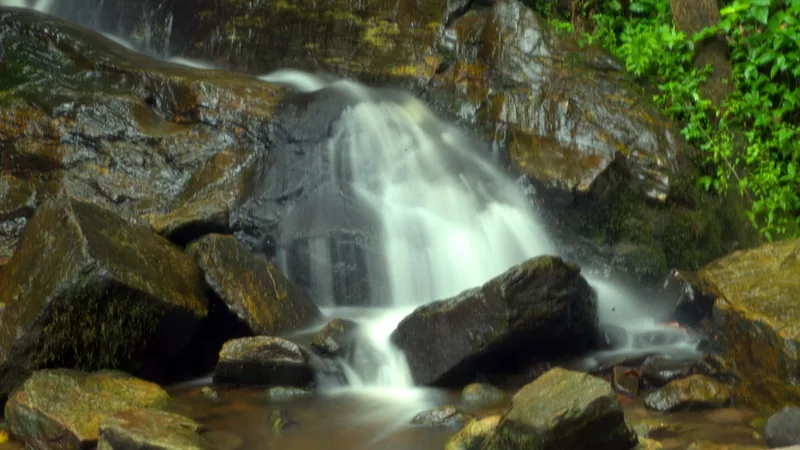
Photo: Tadekwiki, CC BY-SA 4.0, via Wikimedia Commons. Cropped and compressed. Erin-Ijesha Waterfalls
Erin-Ijesha, Osun State · Nature and wildlife
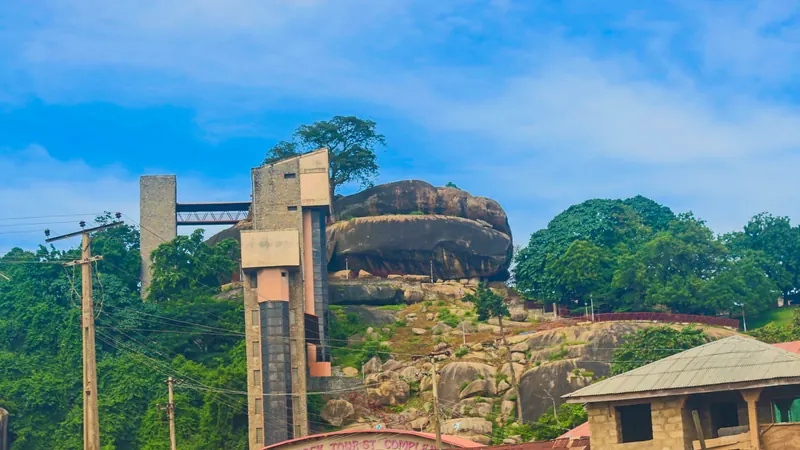
Photo: 'Yemi King, CC BY-SA 4.0, via Wikimedia Commons. Cropped and compressed. Olumo Rock
Abeokuta, Ogun State · Landmarks
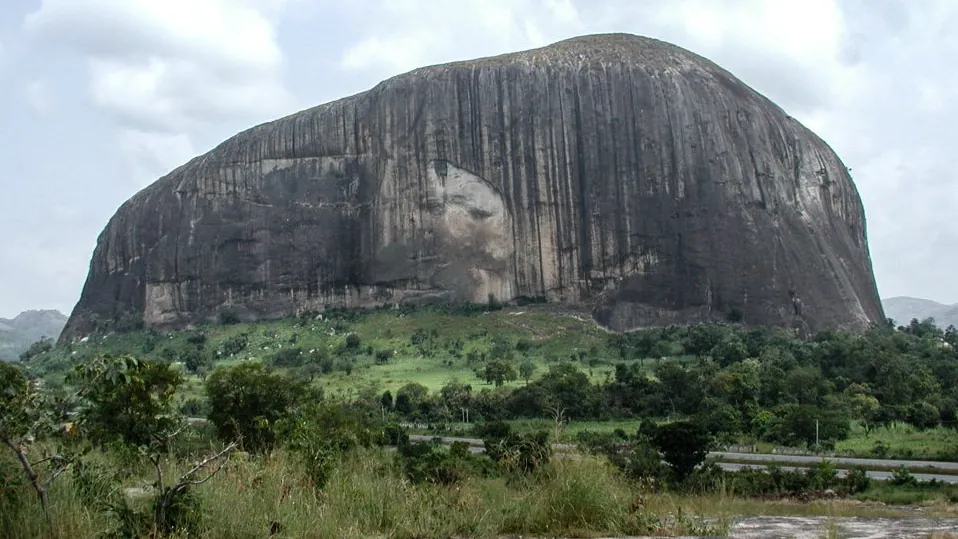
Photo: Jeff Attaway, CC BY 2.0, via Flickr and Wikimedia Commons. Cropped and compressed. Zuma Rock
Madalla, Niger State · Landmarks
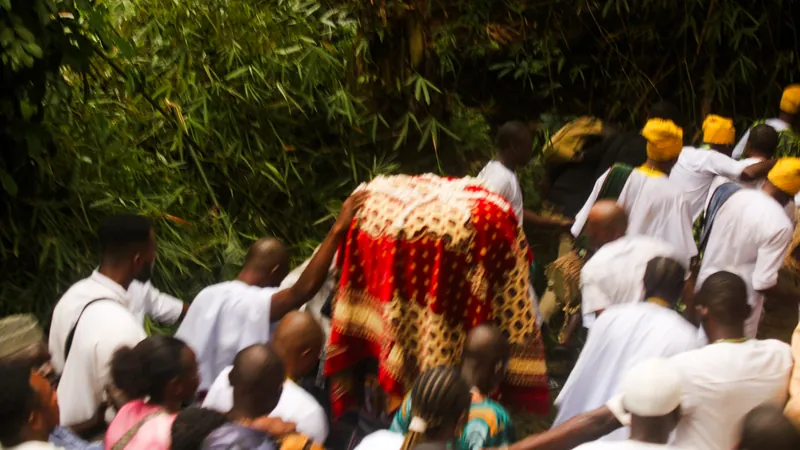
Photo: Mayowamayowamayowa, CC BY-SA 4.0, via Wikimedia Commons. Cropped and compressed. Osun-Osogbo Festival
Osogbo, Osun State