NaijaRave.com

Nigeria Politicians

Discover Nigeria's top politicians—profiles, trending moments, and the latest gist from NaijaRave.

16 peopleUpdated daily

Featured

Bola Ahmed Tinubu
Politician

Bola Ahmed Tinubu

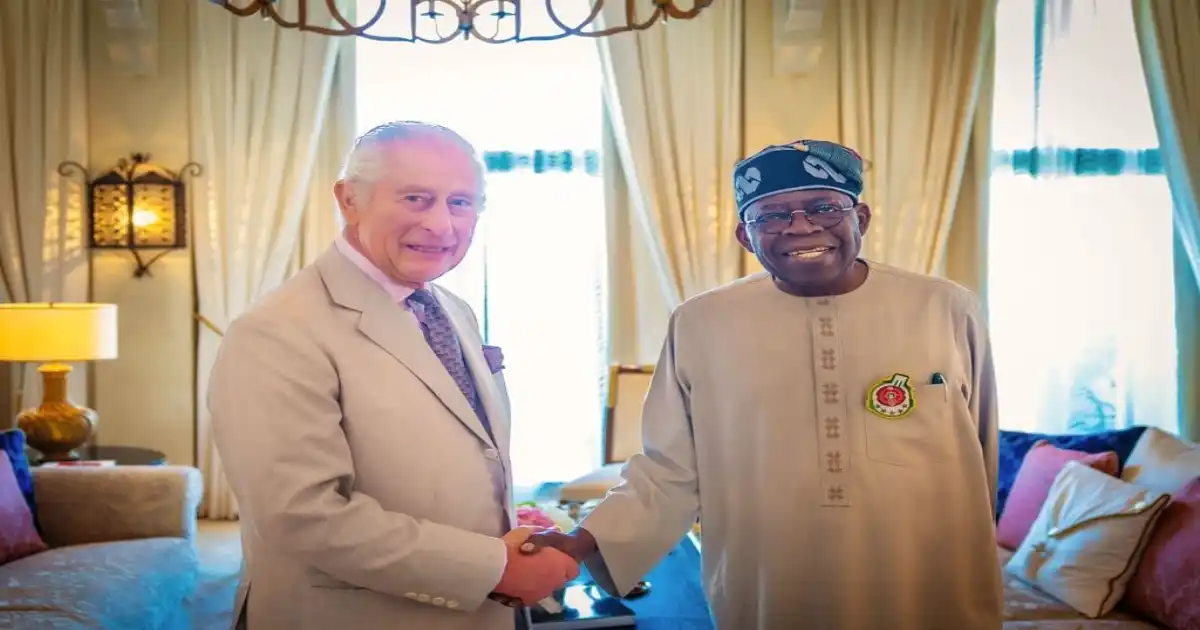
Bola Ahmed Tinubu (born March 29, 1952) is a Nigerian politician who currently serves as the President of Nigeria. He is widely recognized as a highly influential figure in Nigerian democratic history, often referred to as the "National Leader" of the All Progressives Congress (APC) prior to his presidency. His career spans decades, marked by his roles as a pro-democracy activist, Senator, Governor of Lagos State, and a key architect of modern opposition politics in Nigeria. Early Life and Education Tinubu was born in Lagos, Nigeria. He received his early education in Nigeria before moving to the United States. In the U.S., he studied at Richard J. Daley College in Chicago before transferring to Chicago State University, where he graduated in 1979 with a Bachelor of Science degree in Accounting. Following his education, he worked for several American companies, including Arthur Andersen, Deloitte and Touche, and GTE Communications, specializing in auditing and consulting. Career Progression Tinubu returned to Nigeria in the early 1990s and began his political career. He was first elected to the Nigerian Senate, representing Lagos West constituency, in 1992. His tenure in the Senate was cut short by the military dissolution of government in 1993. Following this, he became a prominent activist with the National Democratic Coalition (NADECO), a group that campaigned for the restoration of democracy in Nigeria. His activism led him into exile, where he continued to campaign against military rule. Governorship of Lagos State (1999–2007) With the return to democracy in 1999, Tinubu was elected Governor of Lagos State, serving two consecutive four-year terms until 2007. His tenure as governor is often highlighted for his administrative restructuring, fiscal reforms, and introduction of modern urban planning initiatives. Under his leadership, Lagos State significantly increased its internally generated revenue (IGR), transforming it into a financially autonomous and economically viable sub-national entity. These reforms laid the foundation for Lagos’s massive infrastructure and economic growth over the following decades. Major Achievements and Political Leadership After leaving office, Tinubu dedicated himself to consolidating and expanding opposition politics in Nigeria. He was instrumental in the formation of the Action Congress (AC), which later became the Action Congress of Nigeria (ACN), and finally served as a key founding father in the merger that created the All Progressives Congress (APC) in 2013. The formation of the APC successfully unified Nigeria’s opposition and led to the first democratic transition of power from an incumbent party to an opposition party in 2015. His strategic political influence has earned him the moniker "Jagaban." Current Status In 2022, Bola Ahmed Tinubu successfully contested for the highest office in Nigeria. He was inaugurated as the 16th President of the Federal Republic of Nigeria on May 29, 2023. As President, he faces the mandate of addressing major national challenges, including economic reform, security, and infrastructural development.

1M+ followers
Atiku Abubakar
Politician

Atiku Abubakar

Atiku Abubakar: Biography of a Nigerian Politician and Businessman Atiku Abubakar (born Atiku Abubakar Sadi on November 25, 1946) is a prominent Nigerian politician, businessman, and philanthropist who served as the Vice President of Nigeria from 1999 to 2007, under the presidency of Olusegun Obasanjo. A perennial contender for the Nigerian presidency, he is a leading figure in the People's Democratic Party (PDP). Early Life and Education Abubakar was born in Jada, a village in Adamawa State, Nigeria. His father, Garba Abubakar, was a grain merchant and herdsman, while his mother, Aisha Kande, died at a young age. Following his father's initial resistance to Western education, Atiku was secretly enrolled in the Jada Primary School. He later attended Adamawa Provincial Secondary School in Yola. In 1965, he enrolled at the School of Hygiene in Kano, graduating with a diploma in 1967. That same year, he pursued a diploma in Law at Ahmadu Bello University Institute of Administration, graduating in 1969. Career Progression After his education, Abubakar began his career in the Nigeria Customs Service (NCS) in 1969. He rose through the ranks, serving in various capacities, including Deputy Director. During his time in the NCS, he developed business interests in real estate, logistics, and agriculture. He retired from the Customs Service in April 1989 as a Deputy Director. Abubakar's political career began in the early 1980s. He campaigned for the governorship of Gongola State (now Adamawa and Taraba States) but was unsuccessful. He was a key figure in the formation of the People's Democratic Movement (PDM) and later played a significant role in Nigeria's transition to civilian rule in the late 1990s. In 1998, he was elected Governor of Adamawa State but was chosen by presidential candidate Olusegun Obasanjo to be his running mate shortly before he could be sworn in. Major Achievements (1999–2007) As Nigeria's Vice President from 1999 to 2007, Abubakar oversaw the National Council on Privatization and was central to the administration's economic liberalization policies. He was involved in reforming and selling off hundreds of loss-making state-owned enterprises. He also promoted education and established the American University of Nigeria (AUN) in Yola in 2005, a private educational institution. Notable Works and Political Status Since leaving office as Vice President, Atiku Abubakar has consistently pursued the presidency. He has contested for the office multiple times, often as the candidate for the People's Democratic Party (PDP). His political narratives often focus on unifying the country, restructuring the Nigerian federation, and improving the economy through privatization and investment. He remains a powerful political figure and a major voice in Nigerian democratic discourse. His philanthropic efforts, particularly through AUN and various empowerment programs, underscore his commitment to education and community development. Current Status Atiku Abubakar continues to be an influential leader within the PDP and a respected elder statesman in Nigerian politics. He remains active in public life, commenting on national issues and maintaining his extensive business and educational ventures.

5M+ followers

Peter Obi
Politician

Peter Obi

Peter Gregory Obi is a Nigerian politician, businessman, and philanthropist widely recognized for his tenure as Governor of Anambra State from 2006 to 2014 and his candidacy in the 2023 Nigerian presidential election. He is considered a figure of administrative reform and fiscal prudence in Nigerian governance. Early Life and Education Peter Obi was born on July 19, 1961, in Onitsha, Anambra State, Nigeria. He attended Christ the King College, Onitsha, for his secondary education. In 1980, he was admitted to the University of Nigeria, Nsukka, where he graduated in 1984 with a Bachelor of Arts degree (Honors) in Philosophy. Obi pursued further education in business and management, including prestigious programs at the Lagos Business School (Nigeria), Harvard Business School (USA), the London School of Economics (UK), and Columbia Business School (USA), focusing on topics like corporate governance and financial management. Business Career Before entering politics, Obi established a successful career in the corporate sector. He held leadership positions in several private organizations, notably serving as the Chairman of Fidelity Bank PLC, where he was the youngest chairman of a major bank in Nigeria at the time. His extensive background in finance and business management significantly shaped his approach to public office. Political Career and Governorship Obi’s political career began with his pursuit of the governorship of Anambra State. He was first declared Governor in March 2006 on the platform of the All Progressives Grand Alliance (APGA), although his tenure was marked by legal challenges and interruptions. He was impeached seven months into his first term but was reinstated by the Court of Appeal in December 2006. In 2007, a fresh election was ordered, leading to his removal. He successfully returned to office after the courts affirmed that his four-year tenure should start from when he originally took the oath of office in March 2006, setting a precedent in Nigerian constitutional law. Obi was re-elected in 2010 and completed his full second term in March 2014. Major Achievements as Governor As Governor of Anambra State, Peter Obi gained national recognition for his emphasis on prudent financial management, debt reduction, and investment in infrastructure, education, and health care. His administration focused on the 'Anambra Integrated Development Strategy,' which channeled resources into priority areas. At the end of his tenure, he was widely acclaimed for leaving a substantial amount of money in the state treasury, a rare feat in Nigerian politics, and for improving the state’s ranking in educational performance nationwide. Career Progression and Current Status Following his tenure as Governor, Obi remained active in national politics. He served as the Vice Presidential candidate for the Peoples Democratic Party (PDP) in the 2019 Nigerian general election, running alongside presidential candidate Atiku Abubakar. In 2022, Obi transferred his allegiance to the Labour Party and became their presidential candidate for the 2023 general election. His candidacy, often referred to as the 'Obidient' movement, resonated strongly with young voters and galvanized significant support around the themes of accountability, economic reform, and reduced government waste. Although he did not win the election, his campaign marked a significant shift in Nigeria’s political landscape, challenging the established two-party system. Obi continues to be a prominent voice in Nigerian public commentary, advocating for governance reform and economic transparency.

5M+ followers

Ademola Adeleke
Politician

Ademola Adeleke

**Ademola Nurudeen Jackson Adeleke** (born May 13, 1960) is a Nigerian politician and businessman who currently serves as the Executive Governor of Osun State, Nigeria, a position he assumed in 2022. He is a prominent member of the People's Democratic Party (PDP) and is widely recognized for his unique public persona, which has earned him the moniker "The Dancing Senator."Early Life and Education Ademola Adeleke was born in Ede, Osun State, Nigeria, into the prominent and influential Adeleke family. He is the younger brother of Isiaka Adeleke, a former Governor of Osun State, and the father of Nigerian-American singer Davido. His primary and secondary education took place in Nigeria, after which he moved to the United States for further studies. He attended Jacksonville State University in Alabama, United States. His educational background and subsequent career as a successful businessman provided the foundation for his entry into Nigerian politics.Career Progression and Political Ascent Prior to his political career, Adeleke established himself as a businessman, working in executive and directorial roles, particularly in the telecommunications and real estate sectors. His political career began following the sudden death of his elder brother, Senator Isiaka Adeleke, in April 2017. Ademola Adeleke successfully contested the Osun West Senatorial by-election, stepping into his late brother's shoes and winning the seat on the platform of the People's Democratic Party (PDP). His tenure as a Senator solidified his public profile, largely due to his vibrant personality and ability to connect with the masses.Major Achievements and Notable Works Adeleke rose to national prominence during the 2018 Osun State gubernatorial election, which he contested under the PDP. Although initially unsuccessful, the election was highly contested and eventually decided by a run-off. He continued his pursuit of the governorship and successfully contested the 2022 Osun State gubernatorial election, defeating the incumbent Governor, Gboyega Oyetola. As Governor of Osun State, Adeleke's administration has focused on various infrastructure projects and social programs. Notably, his government has been recognized for its efforts in recreating and expanding the Iwo central business districts, exemplified by the ongoing dualization of the Odo Ori-Post Office road, aimed at boosting economic development in the region. He has also been involved in navigating the complex political landscape within his party, the PDP, in Osun State.Current Status Ademola Adeleke currently serves as the Executive Governor of Osun State. He remains an active figure in Nigerian politics, leading the state government and participating in national political discourse. His political camp has indicated a stance of support for the second-term ambition of the current President of Nigeria, Bola Tinubu, signaling a complex and evolving political strategy ahead of future elections.

1M+ followers

Atiku Abubakar
Politician

Atiku Abubakar

Atiku Abubakar: Nigerian Businessman, Politician, and Former Vice President Atiku Abubakar (born Atiku Abubakar Adamawa on November 25, 1946, in Jada, Adamawa State, Nigeria) is a Nigerian businessman, politician, and philanthropist who served as the Vice President of Nigeria from 1999 to 2007 during the presidency of Olusegun Obasanjo. He is a prominent figure in Nigerian politics, having been a perennial presidential candidate, and is recognized for his extensive business interests, particularly in logistics, oil and gas, and education. Early Life and Education Atiku Abubakar was born to a Fulani family. His father, Garba Abubakar, was a local farmer and trader. Orphaned at a young age, Abubakar was raised by his mother, Aisha Kande. He began his education at Jada Primary School and later attended Adamawa Provincial Secondary School, Yola. After graduating in 1965, he briefly worked as a tax officer before enrolling at the Nigeria Police College in Kaduna. However, he left the college due to an injury and later secured a spot at the School of Hygiene, Kano, in 1966. In 1967, he received a diploma from the school, and in 1970, he graduated with a Diploma in Law from Ahmadu Bello University’s Institute of Administration, on a scholarship. Career Progression After completing his education, Abubakar was hired by the Nigeria Customs Service in 1969. He rose through the ranks, serving in various capacities across the country, including posts in Ikeja, Kano, Kaduna, and Apapa. He eventually retired as a Deputy Director of Customs in April 1989. While working in customs, Abubakar began his foray into business, notably purchasing land in Yola in 1974 which he used for real estate development. This led to his diversification into agriculture, transportation (establishing a logistics company, Nigeria Container Services), and oil and gas services. Political Career and Major Achievements Abubakar's political journey began in the early 1980s, but he gained significant national prominence in the lead-up to the return of democratic rule in 1999. In 1998, he ran for Governor of Adamawa State and won, but before being sworn in, he was selected as the running mate to Olusegun Obasanjo under the People's Democratic Party (PDP). As Vice President from 1999 to 2007, Abubakar oversaw several key government reforms, particularly the privatization program aimed at streamlining state-owned enterprises. He was known for his role in driving economic policy and attracting foreign investment. His tenure was, however, marked by complex political dynamics and high-profile disagreements with President Obasanjo toward the end of their second term. Since leaving office, Abubakar has contested for the presidency several times, running on platforms focused on restructuring Nigeria's federal system, improving the economy through privatization, and enhancing education. His notable presidential campaigns include 2007, 2011, 2015 (where he ran in the primaries), 2019, and 2023. Notable Works and Philanthropy Beyond politics, Abubakar is widely recognized for his commitment to education. He is the founder of the American University of Nigeria (AUN) in Yola, Adamawa State, a leading private development university established in 2005. He also established the Atiku Abubakar School of Technology and Entrepreneurship (AASOTE). His business empire includes logistics, media, and hospitality. Current Status Atiku Abubakar remains an influential political figure in Nigeria. He is a senior member of the People's Democratic Party (PDP) and continues to actively participate in Nigerian democratic processes, focusing his advocacy on good governance, national unity, and economic reform.

4M+ followers

Babajide Sanwo-Olu
Politician

Babajide Sanwo-Olu

Babajide Olusola Sanwo-Olu (born June 25, 1965) is a Nigerian politician and the current Governor of Lagos State, Nigeria. A prominent figure in Nigeria's political and economic landscape, he is recognized for his extensive career in public service, which spans banking, executive government roles, and his current position as the chief executive of one of Africa’s largest economies.Early Life and Education Babajide Sanwo-Olu was born in Lagos, Nigeria. He completed his primary and secondary education in Lagos before proceeding to the University of Lagos, where he obtained a Bachelor of Science (B.Sc.) degree in Surveying and a Master of Business Administration (MBA). His commitment to professional development led him to further studies at prestigious international institutions, including the London Business School, the Lagos Business School (LBS), and the John F. Kennedy School of Government at Harvard University. He is also a Fellow of the Nigeria Institute of Training and Development (NITAD) and the Chartered Institute of Personnel Management (CIPM).Career Progression Sanwo-Olu began his professional career in the banking sector, serving in various high-ranking roles. His career transitioned into public service in 2003 when he was appointed as the Acting Commissioner for Economic Planning and Budget in Lagos State. Over the next decade and a half, he held several key executive positions within the Lagos State government. He served as the Commissioner for Commerce and Industry from 2007 to 2010, followed by an appointment as the Commissioner for Establishment, Training, and Pension from 2010 to 2015. Notably, before seeking the governorship, he served as the Managing Director/CEO of the Lagos State Property Development Corporation (LSPDC).Major Achievements and Notable Works Sanwo-Olu's political career culminated in his election as the 15th Governor of Lagos State in 2019 under the platform of the All Progressives Congress (APC). His administration’s focus is encapsulated in the "THEMES" agenda, an acronym for Traffic Management and Transportation, Health and Environment, Education and Technology, Making Lagos a 21st Century Economy, Entertainment and Tourism, and Security and Governance. Key achievements under his governance include significant investments in infrastructure, particularly in the transportation sector with the advancement of the Lagos Light Rail project (Blue and Red Lines). His administration also gained national recognition for its response to the COVID-19 pandemic, implementing public health strategies that were widely praised. He has also been instrumental in advancing technological integration in the state's governance and education system.Current Status Babajide Sanwo-Olu currently serves as the Governor of Lagos State, having been successfully re-elected for a second term in 2023. His administration continues to oversee major infrastructure projects, socioeconomic reforms, and efforts to consolidate Lagos's position as a major African economic hub.

2M+ followers

All Politicians in Nigeria

Ben Murray-Bruce
Politician

Ben Murray-Bruce

Ben Murray-Bruce: Nigerian Media Entrepreneur and Politician **Early Life and Education** Ben Murray-Bruce was born on February 14, 1956, in Lagos, Nigeria, to a family from Bayelsa State. He began his early education in Nigeria before pursuing higher education in the United States. He attended the University of South Carolina, where he earned a Bachelor of Science degree in Marketing. **Career Progression and Notable Works** Murray-Bruce established himself as a prominent figure in the Nigerian media and entertainment industry. He is best known as the founder of the Silverbird Group, a conglomerate with significant interests in media, real estate, and entertainment. The group includes Silverbird Television (STV), Silverbird Rhythm FM, and Silverbird Cinemas, which pioneered modern cinema culture in Nigeria. His entrepreneurial success led him to public service. In 1999, he was appointed as the Director-General of the Nigerian Television Authority (NTA), serving until 2003. His tenure focused on commercializing the state-owned broadcaster. Following this, he returned to the private sector to expand the Silverbird Group. **Major Achievements and Political Career** Murray-Bruce entered partisan politics, known for his vocal stance on national issues. In 2015, he was elected to represent the Bayelsa East Senatorial District in the Nigerian Senate under the platform of the People’s Democratic Party (PDP). As a legislator, he gained significant media attention for his advocacy on issues of cost-cutting in government, transparency, and youth empowerment, often utilizing his "Common Sense" platform and social media presence to connect directly with the electorate. He is widely recognized for promoting the "Buy Naija to Grow the Naira" campaign, aimed at boosting local manufacturing and consumption. **Current Status** Following his term in the Senate, Murray-Bruce continues to be an active public commentator and businessman. He focuses on running the Silverbird Group and engaging in public discourse through various media channels, often commenting on Nigerian politics, economy, and social justice. He remains a highly influential voice both within the entertainment sector and the Nigerian political landscape.

1M+ followers

Bola Ahmed Tinubu
Politician

Bola Ahmed Tinubu

Bola Ahmed Tinubu: Nigerian President and Political Leader Asiwaju Bola Ahmed Adekunle Tinubu GCFR (born March 29, 1952) is a Nigerian politician currently serving as the 16th and current President of Nigeria since 2023. He is recognized as a key figure in the return to democratic governance in 1999 and a foundational architect of modern Nigerian opposition politics. Early Life and Education Tinubu was born in Lagos, Nigeria. He emigrated to the United States in 1975, where he studied at Richard J. Daley College in Chicago before transferring to Chicago State University, where he graduated in 1979 with a Bachelor of Science degree in accounting. Following his education, he worked for several American companies, including Arthur Andersen, Deloitte and Touche, and GTE. Upon returning to Nigeria in the early 1990s, he joined the mobile oil company, Mobil Nigeria, rising to the position of treasurer. Career Progression and Political Ascendancy Tinubu's political career began in 1992 when he was elected Senator for the Lagos West constituency in the short-lived Third Republic. After the annulment of the June 12 presidential election and the subsequent military takeover, Tinubu became an activist, co-founding the National Democratic Coalition (NADECO), a group that fought for the return of democracy. He was forced into exile in 1994, returning in 1998 after the death of military dictator Sani Abacha. In 1999, following the transition to the Fourth Republic, Tinubu successfully contested and was elected as the Governor of Lagos State under the Alliance for Democracy (AD) party. He served two terms, from May 1999 to May 2007. His tenure as governor is often credited with improving Lagos's infrastructure, public finance management, and initiating reforms that significantly increased the state's internally generated revenue (IGR). Major Achievements and Notable Works After concluding his tenure as governor, Tinubu remained a dominant force in Nigerian politics. He played a pivotal role in unifying several opposition parties, leading to the formation of the All Progressives Congress (APC) in 2013. This coalition successfully defeated the incumbent president in the 2015 general election, marking the first time in Nigeria's history that an opposition party democratically won the presidency. For his role in this political movement, he earned the widely used title, "National Leader" of the APC. Notable policy achievements from his political and administrative career include modernizing Lagos State's judicial and financial sectors and laying the groundwork for many of the state’s massive infrastructure projects. Current Status In June 2022, Bola Ahmed Tinubu secured the presidential ticket for the APC. Following a highly contested election, he was declared the winner of the 2023 Nigerian presidential election. He was inaugurated as the 16th President of Nigeria on May 29, 2023, the role he currently occupies.

2M+ followers

Dele Adeleke
Politician

Dele Adeleke

**Dele Adeleke: Nigerian Politician and Financial Expert** Dele Adeleke is a Nigerian financial expert, chartered accountant, and politician recognized for his professional background in finance and his political activism, particularly in Osun State, Nigeria. He gained significant public attention during his campaign for the governorship of Osun State. **Early Life and Education** Dele Adeleke was born into the prominent Adeleke family of Ede in Osun State, Nigeria. He is the nephew of Senator Ademola Adeleke, the current Governor of Osun State, and the cousin of the internationally renowned Nigerian-American singer, Davido (David Adedeji Adeleke). Adeleke pursued formal education in accounting and finance, obtaining his professional certification as a Chartered Accountant. His commitment to academic and professional excellence laid the foundation for a career focused on fiscal responsibility and management. **Career Progression and Financial Expertise** Before entering mainstream politics, Dele Adeleke established a solid professional career in the financial sector. He has worked in various capacities, utilizing his expertise in accounting, auditing, and financial advisory services. His professional tenure has been characterized by a reputation for integrity and a deep understanding of corporate and public finance mechanisms. **Political Aspirations and Notable Works** Adeleke’s political career gained prominence when he declared his intention to run for the governorship of Osun State under the platform of the Peoples Democratic Party (PDP) in the run-up to the 2022 Osun State gubernatorial election. His campaign was focused on key issues such as economic restructuring, youth empowerment, education, and healthcare reform within the state. A notable aspect of his political journey was the family dynamics involved, as he contested the PDP primary election against his uncle, Senator Ademola Adeleke. This intra-family contest drew national media attention. Although he did not secure the party's nomination, his participation highlighted his dedication to public service and his commitment to influencing policy in his home state. His platform articulated a vision for a transparent and accountable government, earning him a following among certain political constituencies. **Current Status** Following the conclusion of the 2022 election cycle, Dele Adeleke continues to be an influential voice in Osun State politics and maintains his professional status as a respected financial expert and chartered accountant. He remains active on social media platforms, engaging in discussions related to governance, finance, and the socio-economic development of Nigeria.

100K+ followers

Dino Melaye
Politician

Dino Melaye

Dino Melaye: Nigerian Politician and Former Legislator Dino Melaye (born January 7, 1974) is a prominent Nigerian politician, former Senator, and activist. Recognized for his outspoken nature and colorful public persona, Melaye represented the Kogi West Senatorial District in the Nigerian Senate from 2015 to 2019. He has been a significant figure in Nigerian politics, transitioning from a student union leader and anti-corruption activist to a federal legislator. Early Life and Education Born in Kano, Nigeria, Melaye is a native of Ayetoro Gbede in Ijumu Local Government Area of Kogi State. He attended Command Primary School in Kaduna State and later studied at Ahmadu Bello University (ABU), Zaria, where he earned a Bachelor of Arts degree in Geography in 2000. During his university years, Melaye served as the President of the National Association of Nigerian Students (NANS), marking his formal entry into political and activist circles. He furthered his education with numerous professional certifications and post-graduate studies, including a certificate in Leadership from the Harvard University Kennedy School of Government. Career Progression and Political Journey Melaye began his public career as an anti-corruption and pro-democracy activist, aligning himself with various non-governmental organizations dedicated to good governance. His political career officially launched when he was elected as a member of the House of Representatives, representing the Kabba/Bunu/Ijumu constituency of Kogi State, from 2007 to 2011. In 2015, he achieved national prominence by being elected to the Senate, representing Kogi West under the platform of the All Progressives Congress (APC). During his tenure in the Senate, Melaye served as the Chairman of the Senate Committee on Federal Capital Territory (FCT) and the Senate Committee on Aviation. His time in the legislature was often marked by high-profile political controversies, public conflicts with state-level political leaders, and his distinctive, dramatic style of public discourse. Major Achievements and Notable Works As a lawmaker, Dino Melaye sponsored and co-sponsored several bills focused on anti-corruption, youth empowerment, and consumer protection. Beyond his legislative work, he authored the book *Antidotes for Corruption: The Nigerian Example*, which reflects his long-standing focus on transparency and accountability in governance. His political influence was evident in his highly publicized public engagements and campaigns, making him one of Nigeria’s most recognizable politicians of his era. Current Status Following an unsuccessful re-election bid for the Senate in 2019, Melaye remained active in national politics. He later switched political parties and ran as the gubernatorial candidate for the People’s Democratic Party (PDP) in the 2023 Kogi State governorship election. Melaye continues to engage in public commentary, activism, and business ventures, maintaining a substantial presence on social media platforms where he frequently shares his political views.

2M+ followers

Femi Fani-Kayode
Politician

Femi Fani-Kayode

**Femi Fani-Kayode** **Early Life and Education** Chief David Oluwafemi Adewunmi Abdulateef Fani-Kayode, commonly known as Femi Fani-Kayode (FFK), was born in Lagos, Nigeria, on October 16, 1960. He is a lawyer, politician, and essayist. Fani-Kayode comes from a prominent political family in Nigeria; his great-grandfather, Victor Adedapo Kayode, was a prominent jurist, and his father, Chief Victor Babaremilekun Fani-Kayode, was a respected Nigerian politician who served as Deputy Premier of the Western Region of Nigeria from 1963 to 1966. Fani-Kayode received his early education at International School, Ibadan, and subsequently at Downside School in England. He proceeded to study law at the University of London’s School of Oriental and African Studies (SOAS), earning his Bachelor of Laws (LL.B.) degree in 1984. He was called to the Nigerian Bar in 1985 after completing his studies at the Nigerian Law School. In 1993, he obtained a Master of Arts (M.A.) degree in Theology from the University of Cambridge. **Career Progression and Political Career** Fani-Kayode began his career as a politician during the Third Republic. He first served as the Special Assistant on Public Affairs to President Olusegun Obasanjo, holding the position from July 2003 to June 2006. This role positioned him as one of the key voices defending the administration's policies and actions. Following his tenure as Special Assistant, Fani-Kayode was appointed to the Federal Cabinet. He served as the Minister of Culture and Tourism of the Federal Republic of Nigeria from June 22 to November 7, 2006. He was subsequently appointed the Minister of Aviation, serving from November 7, 2006, until the end of the administration on May 29, 2007. During his time as Aviation Minister, he was involved in significant policy-making and oversight of the Nigerian aviation sector. After the end of the Obasanjo presidency, Fani-Kayode remained an active and often controversial figure in Nigerian politics and public discourse, becoming known for his outspoken commentary on national issues. He switched political allegiance multiple times, moving between the ruling and opposition parties. **Notable Works and Major Achievements** Fani-Kayode is recognized more for his political visibility and his published essays and articles than for legislative achievements. He is a prolific writer and commentator, utilizing various media platforms, including his popular social media accounts and columns, to share his political views and analyses. His commentary often focuses on Nigerian history, ethnic relations, and government accountability, sometimes sparking public debate. His major achievements are concentrated during his time in government: * **Special Assistant on Public Affairs:** He played a central role in managing the public image and communication strategy of the Obasanjo administration during a critical period. * **Minister of Aviation:** His tenure involved efforts toward reforming and improving the infrastructural and safety standards of the Nigerian aviation industry.**Current Status** Femi Fani-Kayode continues to be a prominent voice in Nigeria's political landscape. He remains active as a public commentator and political operative, consistently contributing to national discussions through his writings and media appearances. His current political alignment places him within the All Progressives Congress (APC), the ruling party.

1M+ followers

Goodluck Jonathan
Politician

Goodluck Jonathan

Goodluck Ebele Azikiwe Jonathan was born on November 20, 1957, in Ogbia, in what was then Eastern Region (now Bayelsa State), Nigeria. He came from a humble background, born into a family of canoe makers. Jonathan earned a Bachelor of Science degree in Zoology in 1981, a Master of Science degree in Hydrobiology and Fisheries Biology in 1985, and a Doctor of Philosophy (Ph.D.) in Zoology in 1995, all from the University of Port Harcourt. Prior to entering politics, he worked as an education inspector, a lecturer at Rivers State College of Education, and an assistant director at the Oil Mineral Producing Areas Development Commission (OMPADEC). Jonathan’s political career began in 1998, when he was elected Deputy Governor of Bayelsa State alongside Governor Diepreye Alamieyeseigha. He served in this role until December 2005, when he was sworn in as Governor following Alamieyeseigha's impeachment. In 2007, he was selected as the running mate to Umaru Musa Yar’Adua in the presidential election, successfully becoming the Vice President of Nigeria. Jonathan assumed the role of Acting President on February 9, 2010, when President Yar’Adua fell ill, and was sworn in as President following Yar’Adua’s death on May 5, 2010. His major achievement as President (2010–2015) was the transformation agenda, which focused on key sectors like power, education, and transportation. Notably, his administration oversaw significant privatization and deregulation in the power sector. Another landmark achievement was the electoral reform that led to generally lauded elections in 2011 and 2015. He also launched the *YouWin* program (Youth Enterprise with Innovation in Nigeria) to support entrepreneurship. Jonathan earned international praise for conceding defeat in the 2015 presidential election to Muhammadu Buhari, marking the first peaceful transfer of power from an incumbent president to an opposition candidate in Nigeria's history. Since leaving office, Jonathan has dedicated his efforts to international diplomacy, mediation, and peace advocacy across Africa. He currently serves as the Chairman of the Goodluck Jonathan Foundation (GJF), which is focused on promoting democracy, peace, and sustainable development. Jonathan has been involved in electoral monitoring and conflict resolution efforts in various African nations, cementing his status as a respected elder statesman. His notable published work includes his memoir, *My Transition Hours* (2019).

2M+ followers

Muhammadu Buhari
Politician

Muhammadu Buhari

**Muhammadu Buhari: Biography** **Early Life and Education** Muhammadu Buhari was born on December 17, 1942, in Daura, present-day Katsina State, Nigeria, to a Fulani family. His father, Mallam Hardo Adamu, was a Fulani chief. Buhari received his early education in Katsina. His military journey began in 1962 when he enrolled in the Nigerian Military Training College (NMTC) in Kaduna. He subsequently attended the Mons Officer Cadet School in Aldershot, England (1962–1963). Throughout his career, he pursued specialized military education, including attendance at the United States Army War College, Carlisle, Pennsylvania, from 1979 to 1980, where he earned a Master's Degree in Strategic Studies. **Military Career and Career Progression** Buhari's career progression in the Nigerian Army was marked by significant command and administrative roles. He served as General Officer Commanding (GOC) of the 3rd Armoured Division. A pivotal moment came when he was appointed Federal Commissioner for Petroleum and Natural Resources (1976–1978) during General Olusegun Obasanjo's military regime. Following this, he served as the Chairman of the Nigerian National Petroleum Corporation (NNPC) (1978–1979). **Head of State (1983–1985)** On December 31, 1983, Buhari, a Major General at the time, led a military coup that overthrew the democratically elected government of President Shehu Shagari. He became Nigeria's Head of State. His regime focused on combating corruption, indiscipline, and economic decline. He implemented the "War Against Indiscipline" (WAI) campaign, aimed at instilling order and nationalistic values. However, his government was known for its authoritarian policies, including the use of military tribunals and decrees to curb dissent. His regime was ultimately overthrown in a palace coup led by General Ibrahim Babangida on August 27, 1985. **Democratic Political Career** After his release from detention and subsequent return to public life, Buhari transitioned to democratic politics. He contested the presidential election unsuccessfully in 2003, 2007, and 2011. He ran as a candidate for the All Nigeria People's Party (ANPP) and later the Congress for Progressive Change (CPC). **Major Achievements as President (2015–2023)** In 2014, Buhari became a key figure in the formation of the All Progressives Congress (APC). In the 2015 general election, he defeated incumbent President Goodluck Jonathan, marking the first time in Nigeria's history that a sitting president was defeated by an opposition candidate. He was re-elected in 2019. His presidency focused on three core promises: security, anti-corruption, and economic diversification. * **Anti-Corruption:** His administration continued the fight against corruption, leading to numerous high-profile arrests and asset recoveries. Key institutions like the Economic and Financial Crimes Commission (EFCC) were significantly leveraged. * **Infrastructure:** His government oversaw the completion and progression of major infrastructure projects, including key road networks, the Second Niger Bridge, and significant expansion of the rail network across the country. * **Security:** His government made efforts to counter the Boko Haram insurgency in the Northeast, though it simultaneously faced new security challenges, including banditry and farmer-herder conflicts in various regions.**Notable Works and Current Status** While his primary legacy is political and military, his notable works include the policies and institutions established during his two terms as Head of State and as President. Muhammadu Buhari completed his second democratic term as President of Nigeria on May 29, 2023, and officially handed over power to his successor, Bola Ahmed Tinubu. He is currently a respected elder statesman, enjoying retirement in his hometown of Daura, Katsina State, remaining a prominent figure in Nigerian political discourse.

4M+ followers

Nyesom Wike
Politician

Nyesom Wike

Nyesom Wike, officially Ezenwo Nyesom Wike, is a prominent Nigerian lawyer and politician. He is currently serving as the Minister of the Federal Capital Territory (FCT), a position he assumed in 2023. Prior to this appointment, Wike gained national recognition for his two terms as the Governor of Rivers State, one of Nigeria's most important oil-rich states, from 2015 to 2023.Early Life and Education Ezenwo Nyesom Wike was born on December 13, 1967, in Rumuepirikom, Obio-Akpor, Rivers State, Nigeria. He is of Ikwerre descent. Wike received his primary and secondary education in the state. He pursued higher education at the Rivers State University of Science and Technology (now Rivers State University), where he obtained a Bachelor of Law (LL.B.) degree. He subsequently attended the Nigerian Law School and was called to the Nigerian Bar. After his legal training, he briefly practiced law before transitioning fully into politics and public service.Career Progression Wike’s political career began with his involvement in local government administration. He served as the Chairman of the Obio-Akpor Local Government Area for two terms, from 1999 to 2007. His tenure as local government chairman was marked by infrastructure development initiatives within the area. In 2007, Wike was appointed as the Chief of Staff to the then-Governor of Rivers State, Rotimi Amaechi. He held this influential position until 2011. Following this, he was elevated to the national stage when President Goodluck Jonathan appointed him as the Minister of State for Education in July 2011. He served in this capacity until 2014, when he resigned to pursue his ambition to govern Rivers State.Governorship of Rivers State (2015–2023) In 2015, Nyesom Wike successfully contested the governorship election under the platform of the People’s Democratic Party (PDP) and was sworn in as the sixth Governor of Rivers State. He secured a second term in 2019. His time as governor was largely characterized by a strong focus on urban renewal and infrastructural projects, which he often championed with the slogan "Mr. Projects."Major Achievements and Notable Works (Rivers State) Wike's tenure focused heavily on infrastructure, particularly in the state capital, Port Harcourt, and surrounding areas. Key achievements include: * **Infrastructure Development:** He oversaw the construction and commissioning of numerous flyovers, roads, and bridges across the state to ease traffic congestion and improve connectivity. * **Healthcare Investment:** Significant resources were dedicated to the rehabilitation and construction of healthcare facilities, including the establishment of new hospitals and health centers. * **Education:** His administration pursued the renovation and equipping of schools across the state. * **Political Clout:** Wike became one of the most powerful opposition governors in Nigeria, known for his robust political stance and frequent, public disagreements with the ruling party at the national level.Current Status Following the end of his second gubernatorial term in May 2023, Wike was appointed by President Bola Ahmed Tinubu as the **Minister of the Federal Capital Territory (FCT)** in August 2023. In this role, he is responsible for the administration and development of Nigeria's capital, Abuja. Since assuming office, he has focused on restructuring the administration, urban planning, addressing infrastructural deficits, and resolving long-standing issues concerning FCT civil servants, including recent approvals for mass promotions. His leadership in the FCT continues to place him at the forefront of Nigerian politics.

Legend followers

Olusegun Obasanjo
Politician

Olusegun Obasanjo

Olusegun Obasanjo: Biography, Military Career, and Political Legacy **Early Life and Education** Olusegun Obasanjo was born on March 5, 1937, in the village of Ibogun-Olaogun, located in present-day Ogun State, Nigeria. He was of Yoruba descent. Obasanjo’s childhood was marked by a humble background, and he began his formal education at the village primary school. He later attended Baptist Boys’ High School in Abeokuta, where he excelled academically despite financial constraints. His education laid the groundwork for his disciplined and ambitious future. **Military Career and Rise to Power** Obasanjo began his professional career by enlisting in the Nigerian Army in 1958. He underwent rigorous training both domestically and internationally, including courses at Aldershot and the Royal College of Defence Studies in the UK, and the Indian Defence Staff College. His military career saw him rise swiftly through the ranks, earning a reputation for competence and strategic thinking. He played a significant role during the Nigerian Civil War (1967–1970), commanding the Nigerian Army’s Third Marine Commando Division which successfully brought the conflict to an end. In 1975, following a military coup that overthrew Yakubu Gowon, Obasanjo became the Chief of Staff, Supreme Headquarters. Following the assassination of Head of State General Murtala Muhammed in 1976, Obasanjo assumed the role of Head of State, leading the military government. **Major Achievements (First Tenure)** Obasanjo's first tenure as Head of State (1976–1979) is historically significant for his commitment to civilian rule. His greatest achievement during this period was successfully overseeing the transition to democratic governance, culminating in the handover of power to the elected civilian president, Shehu Shagari, in October 1979. This act marked the first peaceful transition of power from a military regime to a civilian government in Nigeria’s history. **Career Progression (Post-Military and Second Tenure)** After retiring from the military in 1979, Obasanjo became a dedicated farmer and an internationally recognized diplomat, often participating in global peace and conflict resolution initiatives. His political activism led to his arrest and subsequent imprisonment in 1995 under the regime of General Sani Abacha on false charges of plotting a coup. He was released in 1998 following Abacha’s sudden death. In 1999, Obasanjo successfully contested the presidential election under the Peoples Democratic Party (PDP), marking the end of prolonged military rule and the beginning of Nigeria's Fourth Republic. He was re-elected in 2003, serving a total of two four-year terms (1999–2007). His second tenure focused heavily on economic and political reforms, including the establishment of the Economic and Financial Crimes Commission (EFCC), the overhaul of the telecommunications sector (leading to the widespread adoption of mobile phones), and negotiating significant debt relief for Nigeria from the Paris Club. **Notable Works** As an author, Obasanjo has published several autobiographical and historical accounts detailing his experiences in the military, politics, and as a global statesman. His notable works include *My Command: An Account of the Nigerian Civil War 1967–1970* (1980) and *Not My Will* (1990). His writings offer critical perspectives on Nigerian history and leadership. **Current Status** Since leaving office in 2007, Obasanjo has remained a prominent figure in global politics. He is widely recognized as an elder statesman, continuing his involvement in peace-keeping, mediation, and political commentary across Africa and the world. He established the Olusegun Obasanjo Presidential Library (OOPL) in Abeokuta, which serves as a major archival and research center. He continues to speak publicly on issues of governance, democracy, and development, influencing both domestic and international discourse.

Legend followers

Yemi Osinbajo
Politician

Yemi Osinbajo

Yemi Osinbajo: Biography, Career, and Achievements **Early Life and Education** Professor Oluyemi "Yemi" Oluleke Osinbajo was born on March 8, 1957, in Lagos, Nigeria. He is a prominent Nigerian academic, lawyer, and politician. Osinbajo attended Corona Primary School in Lagos and Igbobi College in Yaba, where he was noted for his academic excellence. He proceeded to the University of Lagos, where he studied Law, graduating in 1978 with an LL.B. Second Class Upper Division. He was admitted to the Nigerian Bar in 1979. He later obtained a Master of Laws (LL.M.) from the London School of Economics and Political Science in 1980. **Academic and Legal Career** Osinbajo’s career began as a Legal Officer with the Nigerian Youth Service Corps (NYSC) in Bendel State. He started his academic journey in 1981 as a Lecturer at the University of Lagos. By 1983, he became a Senior Lecturer, and at the age of 33, he was appointed a Professor of Law in 1990. His academic focus included the Law of Evidence and Public Law. From 1997 to 1999, he served as Head of the Department of Public Law at the University of Lagos. He is also a Senior Partner at the reputable law firm, SimmonsCooper Partners. **Career Progression and Political Involvement** Professor Osinbajo served as the Attorney General and Commissioner for Justice in Lagos State from 1999 to 2007, during the administration of Governor Bola Ahmed Tinubu. During this period, he implemented significant reforms in the Lagos State judiciary and legal system, which included establishing the Directorate of Public Prosecutions and promoting alternative dispute resolution mechanisms. Following his tenure, he returned to academia and legal practice. In December 2014, he was selected as the running mate to General Muhammadu Buhari for the 2015 presidential election. **Vice Presidency and Major Achievements** Yemi Osinbajo was inaugurated as the 14th Vice President of Nigeria on May 29, 2015. He was re-elected for a second term in 2019. As Vice President, Osinbajo was instrumental in overseeing the National Economic Council and was deeply involved in the administration’s economic and social investment programs. Key achievements include his leadership role in: * **The National Social Investment Programme (NSIP):** Initiating and driving massive social intervention programs, including the Conditional Cash Transfer (CCT), N-Power (a job creation program for youth), and the Home Grown School Feeding Program (HGSFP), which became one of the largest in Africa. * **Ease of Doing Business Reforms:** Chairing the Presidential Enabling Business Environment Council (PEBEC), which implemented numerous reforms that significantly improved Nigeria’s ranking on the World Bank’s Ease of Doing Business index. * **Economic Stabilization:** Playing a critical role in steering the country through economic challenges, particularly during the recession of 2016. He often served as Acting President when President Buhari was abroad, during which he took several notable policy decisions.**Notable Works and Current Status** Osinbajo is a prolific writer and author of several law books, articles, and papers, including *The Judicial Perspective on Electoral Disputes* and *The Unification of Commercial Laws in Africa*. He is also an ordained pastor in the Redeemed Christian Church of God (RCCG). Following the conclusion of his second term as Vice President on May 29, 2023, Professor Yemi Osinbajo remains a respected statesman, legal expert, and influential figure in Nigerian public life. He is currently involved in international engagements, focusing on sustainable development, economic empowerment, and justice reform.

2M+ followers

Latest About Nigeria Politicians

Explore Nearby Hubs

Other Roles in Nigeria

Menu