Chappal Waddi and Gashaka Gumti National Park: Facts
Nigeria’s largest national park spans Taraba and Adamawa and holds Chappal Waddi, the country’s highest mountain.
Last checked:
Quick facts
- State
- Taraba State and Adamawa State
- Category
- Nature and wildlife
- Location
- Eastern Taraba and Adamawa states, bordering Cameroon
- Area
- About 6,402 sq km, described as Nigeria’s largest national park
- Established
- 1991, from two game reserves
- Altitude
- About 457 m in the northern corner to 2,419 m at Chappal Waddi
- Highest point
- Chappal Waddi, Nigeria’s highest mountain
- Recorded
- 103 mammal species and over 500 bird species
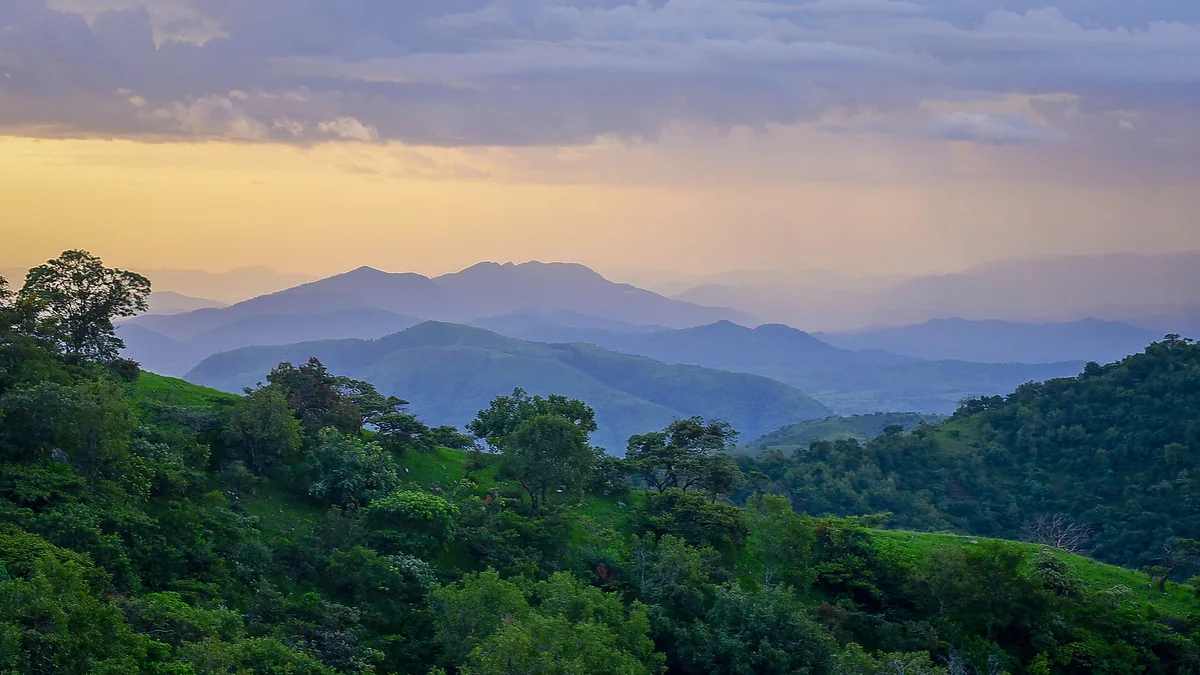
Gashaka Gumti National Park spans eastern Taraba and Adamawa states along the Cameroon border. Described as Nigeria’s largest national park, it covers about 6,402 sq km and includes Chappal Waddi, the country’s highest mountain. Its northern and southern sectors have different landscapes.
About the park
The park was established in 1991 from two game reserves. It is in the Benue River catchment, with abundant flow even in the dry season. Altitude ranges from about 457 m in its northern corner to 2,419 m at Chappal Waddi.
Chappal Waddi
Chappal Waddi rises to 2,419 m (7,936 ft), making it Nigeria’s highest point. It is in the southern part of the park near the Cameroon border, with prominence of about 1,165 m, and forms part of the Bamenda-Alantika-Mandara chain.
Also called Gang Peak and the “Mountain of Death”, it is linked in local Mambilla legends with mythology and the success of farming seasons on the plateau. These are local beliefs. Read more about the Mambilla Plateau.
Landscape and climate
The northern Gumti sector has savannah grassland. The rugged southern Gashaka sector has steep slopes, deep valleys, gorges and montane forest. Wikipedia gives the Köppen climate class as BSh and an average annual temperature of about 26.4°C.
Wildlife
Wikipedia records 103 mammal species and describes the park as having Nigeria’s largest chimpanzee population. Recorded mammals include African buffalo, African bush elephant, giant forest hog, giant eland, roan antelope, kob, oribi, mountain reedbuck, klipspringer, hartebeest, yellow-backed duiker and African golden cat. Predators listed include lions, leopards and African wild dogs.
Over 500 bird species are recorded, and the park is an Important Bird Area. The red-faced lovebird occurs only here and in Bamingui-Bangoran National Park in the Central African Republic. These records do not mean sightings are likely.
People and conservation
Enclaves inside the park allow Fulani pastoralists to farm and graze. About 25 communities live around it, and human-wildlife conflict is reported. The Gashaka Primate Project works to protect animals and the ecosystem.
Reported threats include illegal rosewood logging, illegal grazing, poaching and insecurity. A 2019 report linked illegal loggers to the deaths of at least nine rangers. World Rangers Day, on 31 July, honours rangers killed or injured on duty.
Visiting
Wikipedia lists attractions including the Hippo Pool, a German fort ruin, a museum, Kiri Waterfall, the Mayo Kam River, camping areas and hot springs near Gashaka village. This is a source list, not confirmation that these places are currently accessible.
It reports 7,325 visitors between 2005 and 2015: 6,713 domestic and 612 international. A decline after 2012 is attributed to insecurity. These are historical figures, not current visitor numbers.
Our sources do not confirm current access, guides, accommodation, fees or opening times, and the travel warning above applies. For other published background profiles, see Yankari Game Reserve, the Mambilla Plateau and the wider places guide.
Frequently asked questions
What is the highest mountain in Nigeria?
Chappal Waddi, at 2,419 m (7,936 ft), in the southern part of Gashaka Gumti National Park near the Cameroon border.
Where is Gashaka Gumti National Park?
In eastern Taraba and Adamawa states, bordering Cameroon.
Which animals live in Gashaka Gumti?
Wikipedia records chimpanzees, African buffalo, African bush elephant, giant forest hog, giant eland, roan antelope, kob, oribi, mountain reedbuck, klipspringer, hartebeest, yellow-backed duiker and African golden cat. Lions, leopards and African wild dogs are also listed. These records are not promises of sightings.
Can you visit Gashaka Gumti National Park?
Our sources do not confirm current access, guides, accommodation, fees or opening times. The UK travel warning above applies; we do not recommend planning a visit while that advice applies.
Sources and further reading
Last checked
You might also like
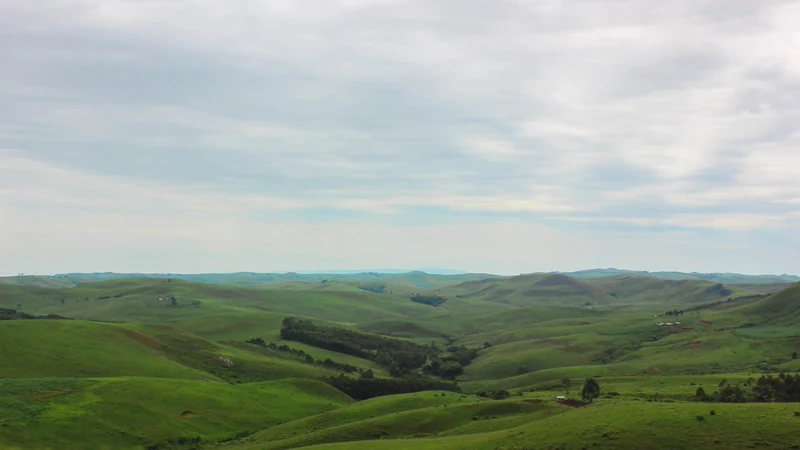
Photo: Big Daddy Osh, CC BY-SA 4.0, via Wikimedia Commons. Cropped and compressed. Mambilla Plateau, Taraba: Facts, Climate and Notes
Sardauna Local Government Area, Taraba State · Nature and wildlife
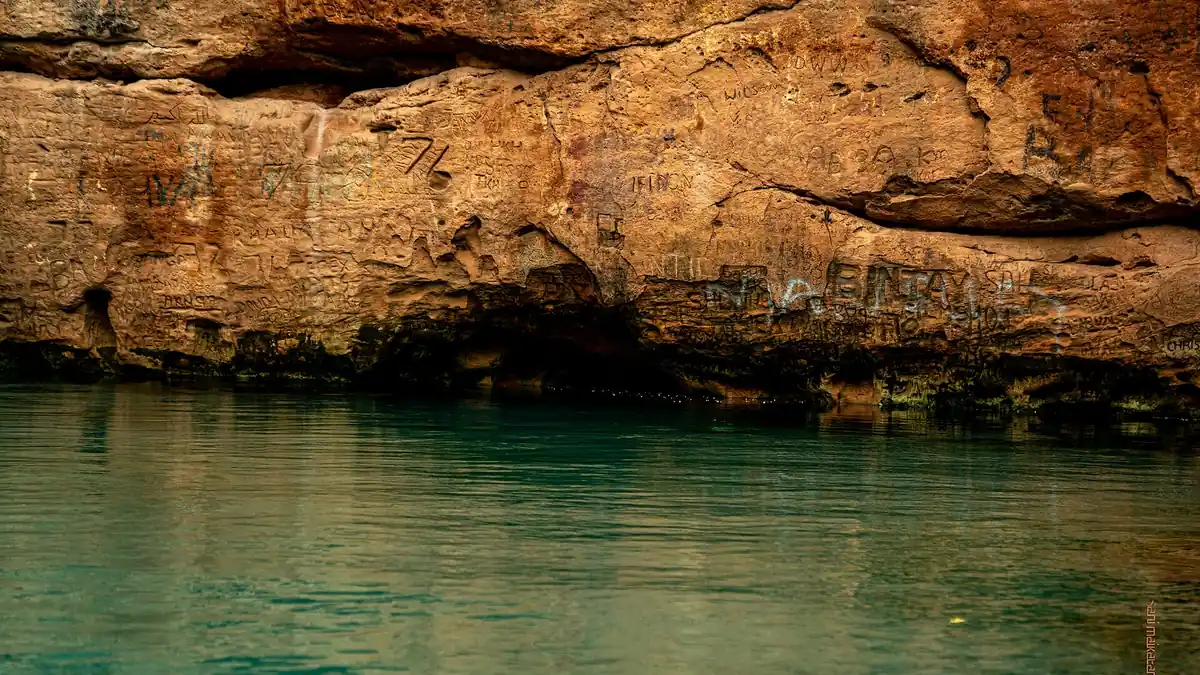
Photo: Sani Maikatanga, CC BY-SA 4.0, via Wikimedia Commons. Cropped and compressed. Yankari Game Reserve
Bauchi State · Nature and wildlife
Is Nigeria safe to visit?
It depends on where you go. Lagos, where most first-time visitors land, is not covered by the UK government's travel warning, but UK and Canadian advice both ask visitors to take care.