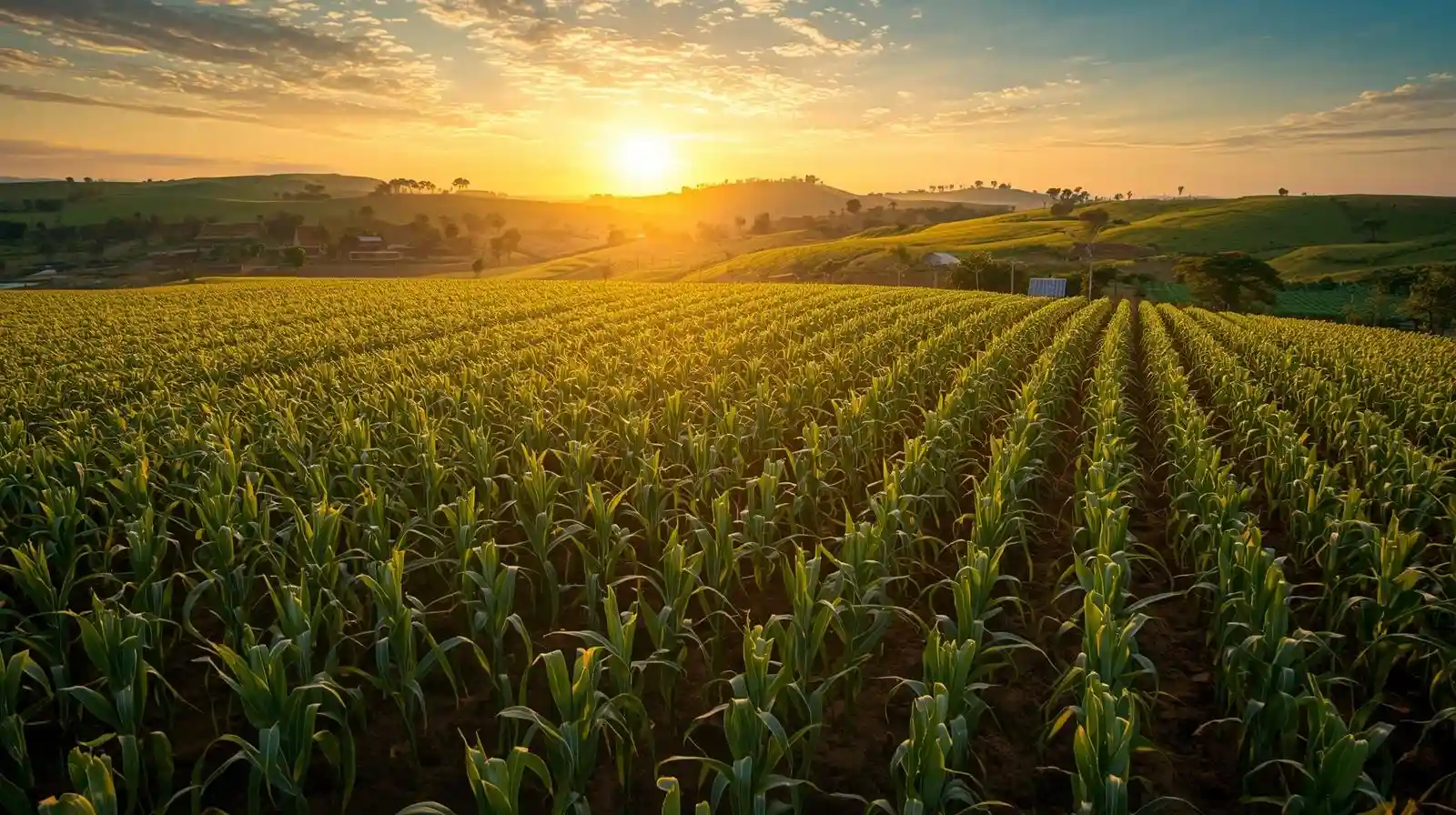
The Federal Government is making a decisive shift in how Nigeria grows its food. In a bid to tackle rising prices and weather uncertainties, the government is now aggressively pushing for climate-smart farming. This move is not just about the environment. It is a direct strategy to secure the nation’s food supply for the future.
Dr. Marcus Ogunbiyi, the Permanent Secretary of the Federal Ministry of Agriculture and Food Security, recently highlighted this new direction. He spoke in Abuja at a major workshop. The event marked the conclusion of a pilot project focused on reducing harmful emissions from farms.
Why This Matters Now
For years, Nigerian farmers have relied on traditional methods. Practices like burning crop residues after harvest are common. However, these methods damage the soil. They also release dangerous pollutants into the air. This reduces the quality of the land. Over time, it leads to smaller harvests.
The government says this has to change. The new "climate-smart" approach focuses on alternatives. Instead of burning, farmers are encouraged to re-use crop waste. This can be used for fertilizer or even animal feed.
Ogunbiyi explained the benefits clearly. He described it as a "triple-win" opportunity. First, it slows down local climate warming. Second, it improves air quality for rural communities. Third, and most importantly for the economy, it boosts farm productivity. Healthier soil means more crops. More crops mean better food security for everyone.
From Theory to Practice
This initiative is backed by real results. The recent pilot project was implemented by Self Help Africa. It received funding from the Climate and Clean Air Coalition.
The results showed that "no-burn" alternatives work. They keep the soil nutrient-rich. This is vital as Nigeria faces unpredictable weather patterns. Floods and droughts are becoming more frequent. Climate-smart techniques make farms more resilient to these shocks.
The Role of Banks and Finance
The government knows farmers cannot do this alone. Changing methods costs money. Therefore, the FG is calling on financial institutions to step up.
Ogunbiyi urged banks to create specific loan products. These loans should target farmers willing to adopt green practices. The goal is to make these modern techniques affordable for the average smallholder farmer.
Looking Ahead
This development signals a move away from mere talk. The government is aligning its agricultural policy with its climate goals. The updated Nationally Determined Contributions (NDCs) now list agriculture as a priority sector.
The message is simple. To eat well tomorrow, we must farm smarter today. As these policies take root, we expect to see more support reaching the rural areas where it is needed most.
Stay tuned to see how these policies unfold in the coming months. We will keep you updated on new loan schemes or training programs for farmers.