Starlink Nigeria: Plans, Prices, Coverage & How to Buy
Starlink has become one of the most talked-about internet options in Nigeria because it can deliver broadband in places where fibre and 4G coverage are unreliable or unavailable. But the service is not cheap, pricing has changed more than once, and availability can depend on where you live.
This guide explains Starlink’s current plans, prices, coverage status, and how to subscribe in Nigeria based on official Starlink pages, Nigerian regulatory updates, and credible reporting.
What is Starlink, and why Nigerians are paying attention
Starlink is a satellite broadband service owned by SpaceX. Instead of relying on underground fibre cables or nearby mobile towers, it connects users through a network of low-Earth orbit satellites and local ground infrastructure. In practical terms, that means it can work in many areas where traditional internet struggles especially outside major city centres.
That promise has made Starlink attractive to remote workers, SMEs, creators, schools, clinics, and households that want a stable connection for video calls, cloud tools, and streaming.
It also sits in a bigger shift: Nigeria’s digital economy is expanding fast, and demand for reliable connectivity keeps rising. If you follow local tech trends, you’ll see the same theme across sectors from startups to workforce tools to productivity platforms.
Related reading: Nigeria’s top tech startups shaping Africa’s digital future and Google report on Nigeria’s AI adoption and the infrastructure gap.
Starlink Nigeria plans and current prices
Starlink’s Nigerian website currently highlights service “starting at ₦38,000/mo,” with residential service commonly shown at ₦57,000/mo and business-focused service starting from ₦159,000/mo. Prices can change, and availability can vary by location, so the safest way to confirm is to enter your address on Starlink’s official site before paying.
| Plan | Best for | Typical monthly price shown for Nigeria | Notes |
|---|---|---|---|
| Residential | Homes, small offices (fixed location) | ₦57,000/month | Designed for one primary location; availability can be limited in high-demand areas. |
| Roam | People who travel or need flexibility | Starting at ₦38,000/month | Pricing and features can differ by option; Starlink markets this as “on the go.” |
| Business / Priority (Fixed Site) | Companies and high-demand users | Starting at ₦159,000/month | Often includes priority features (such as an included priority data allotment) and business support options. |
Helpful official pages (for confirmation and ordering): Starlink Nigeria, Starlink service plans, and Starlink availability map.
For a quick local summary of current pricing (and how it compares with past changes), see: Starlink Nigeria price update (2026).
Hardware costs in Nigeria: what you pay upfront
Starlink is a two-part cost: the monthly subscription and the hardware kit. In Nigeria, credible reporting and local market tracking show that:
- Standard Kit is commonly listed around ₦590,000 when purchased via official channels.
- Starlink Mini is often listed around ₦318,000 and is positioned as a more portable option.
Hardware pricing can be sensitive to exchange rates and logistics costs because the equipment supply chain is tied to global manufacturing and import factors. If you see a deal that is far below prevailing prices, treat it as a red flag and verify warranty/support status before paying.
Further reading on buying safely: TechCabal’s guide to Starlink cost and availability in Nigeria.
Starlink’s biggest selling point is reach: it can serve many locations that terrestrial networks struggle to cover. In Nigeria, users report strong interest in both major cities and underserved areas.
However, “coverage” is not the same as “capacity.” In some high-demand parts of Lagos and Abuja, new residential activations have been paused at different times as Starlink manages congestion and expands capacity. This is why the address check on the official map matters.
How to check if your area is available
- Go to the official Starlink availability map.
- Enter your address (not just your city name) for the most accurate result.
- If your area shows as waitlisted or at capacity, Starlink may offer a deposit/waitlist flow rather than immediate activation.
Regulation in Nigeria: what the NCC has said about pricing
Because Starlink operates as a licensed communications service, it falls under Nigerian telecom regulation. In October 2024, the Nigerian Communications Commission (NCC) publicly stated it had commenced “pre-enforcement action” concerning a unilateral subscription price review, citing tariff-related provisions and licence conditions.
You can read the NCC statement here: NCC press statement on Starlink and price hikes (October 2024).
The practical takeaway for consumers is simple: pricing can change, and some changes may be shaped by regulatory decisions. If you’re budgeting for Starlink, build in a buffer rather than assuming today’s fee is locked forever.
How to subscribe to Starlink in Nigeria
Starlink subscriptions are typically handled directly online. The standard flow is:
- Visit Starlink Nigeria and enter your address.
- Choose the plan that matches your use case (Residential for a fixed home/office, Roam for travel, Business/Priority for higher demand).
- Pay for the hardware kit and the initial subscription setup as prompted.
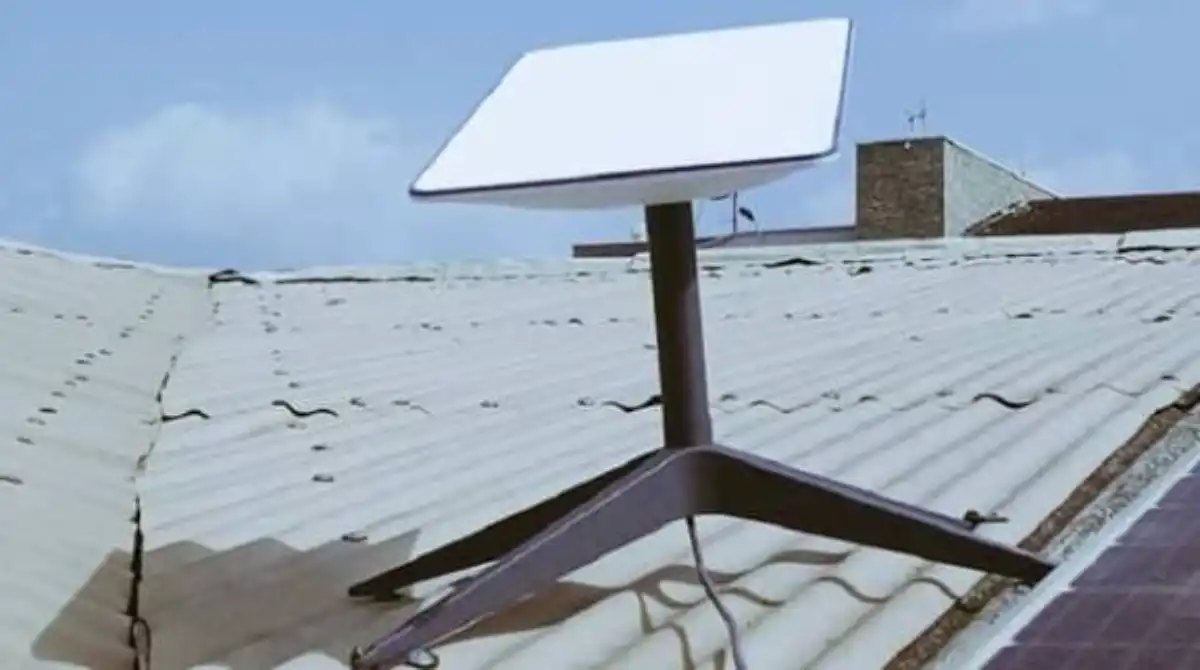
- When the kit arrives, install it in a location with a clear view of the sky and complete setup using the Starlink app.
Many users install it themselves, but professional mounting may be helpful if your building needs a safer roof setup or a better line-of-sight position.
Which Starlink plan should you choose?
Residential: best for stable home or office use
If your device will stay in one place, Residential is usually the most straightforward option. It’s designed for a fixed location and is priced accordingly.
Roam: best for flexibility, not shortcuts
Roam is marketed for people who travel or want service in multiple places. Some users try to use Roam as a workaround in capacity-constrained areas, but reports suggest this can lead to restrictions or forced plan changes. If you need a stable home connection, it’s safer to pick the plan designed for that purpose.
Business / Priority: best for high demand teams
If you run a business that depends on connectivity multiple staff, customer-facing operations, or heavy cloud usage the Business/Priority option may be easier to justify, even at a higher monthly cost.
Related productivity angle: reliable internet becomes more valuable when your work depends on digital tools. See: top HR tools Nigerian companies are using in 2026 and Paypaxe payroll automation launch.
FAQs:
How much is Starlink monthly in Nigeria right now?
Starlink’s Nigeria pages commonly show Residential at ₦57,000/month, Roam service “starting at ₦38,000/month,” and business-focused service “starting from ₦159,000/month.” Confirm by entering your address on the official site before paying.
How much is the Starlink kit in Nigeria?
Market tracking and credible reporting commonly place the Standard Kit around ₦590,000 and the Mini Kit around ₦318,000, depending on availability and channel.
Is Starlink available everywhere in Nigeria?
Starlink can serve many parts of Nigeria, but some high-demand areas may be at capacity for new residential activations at different times. Always check your exact address on the official availability map.
Is Starlink legal in Nigeria?
Starlink operates in Nigeria as a licensed service under telecom regulation. NCC communications and regulatory actions indicate it is within the licensed ecosystem, including tariff oversight.
What happens next: more satellite competition is coming
Nigeria is opening the door to more satellite broadband players, not fewer. In January 2026, Reuters reported that Nigeria issued satellite permits to additional operators, including Amazon’s Project Kuiper, under NCC commercial satellite communications guidelines. That signals a more competitive satellite broadband market ahead, which could influence pricing, coverage expansion, and service quality over time.
For readers tracking the bigger SpaceX ecosystem, see: Elon Musk’s net worth and the businesses behind it and Neuralink’s 2026 production push.
Authoritative external context: Reuters report on Nigeria’s satellite permits (January 2026).
Bottom line
Starlink in Nigeria is simple in concept buy the kit, pay monthly, connect by satellite but the real-world decision depends on budget, location capacity, and your usage needs. For many households and businesses, the price is high but the reliability can be the difference between working smoothly and constantly improvising around outages.
Because pricing and availability can change, verify details on Starlink’s official pages and keep an eye on NCC updates. Check back for updates as the market evolves and more satellite competitors enter Nigeria.