Cameroon seeks partnership with Dangote
African nations are increasingly looking within the continent to solve their economic and industrial challenges. In a major move, Cameroon has turned to Nigerian billionaire Aliko Dangote to help revive its struggling energy sector. This partnership marks a significant shift away from a total reliance on Western financial institutions.
The Discussions
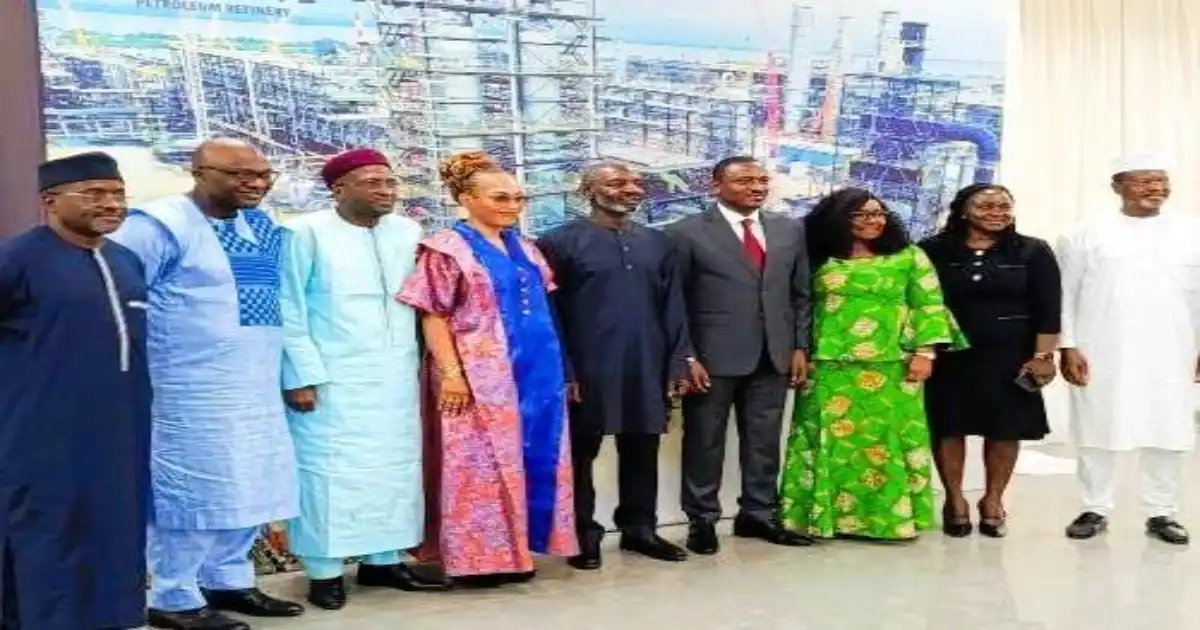
In January 2026, a high-level delegation from Cameroon’s state-owned refinery, SONARA, traveled to Lagos. Led by CEO El Hadj Bako Harouna, the team met with management at the Dangote Refinery. The primary goal of this visit was to secure funding and technical support. SONARA has been largely offline since a devastating fire in 2019.
For years, many expected Cameroon to seek another massive bailout from the IMF or World Bank. While the country still maintains ties with these global lenders, the refinery project needs a different approach. The government of President Paul Biya is now exploring a loan directly from the Dangote Group. This move is part of the "Parras 24" recovery plan. The strategy aims to restart refining activities within two years.
This collaboration is about more than just money. It is about energy security for the Central African region. Currently, Cameroon imports most of its refined petroleum. Partnering with the world's largest single-train refinery in Nigeria offers a faster and more local solution. It reduces the need for expensive imports from Europe or Asia.
Experts view this as a landmark moment for intra-African trade. Instead of accepting the strict conditions often attached to IMF loans, Cameroon is choosing a commercial partnership. This allows for more flexibility and shared technical expertise.
However, challenges remain. Any deep investment from the Dangote Group will depend on how Cameroon handles its existing debt. The country currently owes billions to various banks and fuel marketers. Success will require transparency and strong management from both sides.
As the energy landscape shifts, this deal could serve as a model for other nations. It shows that African billionaires and corporations are now capable of providing the capital once reserved for global superpowers. This trend highlights a growing confidence in African-led solutions for African problems.
Check back for more updates on this developing story.