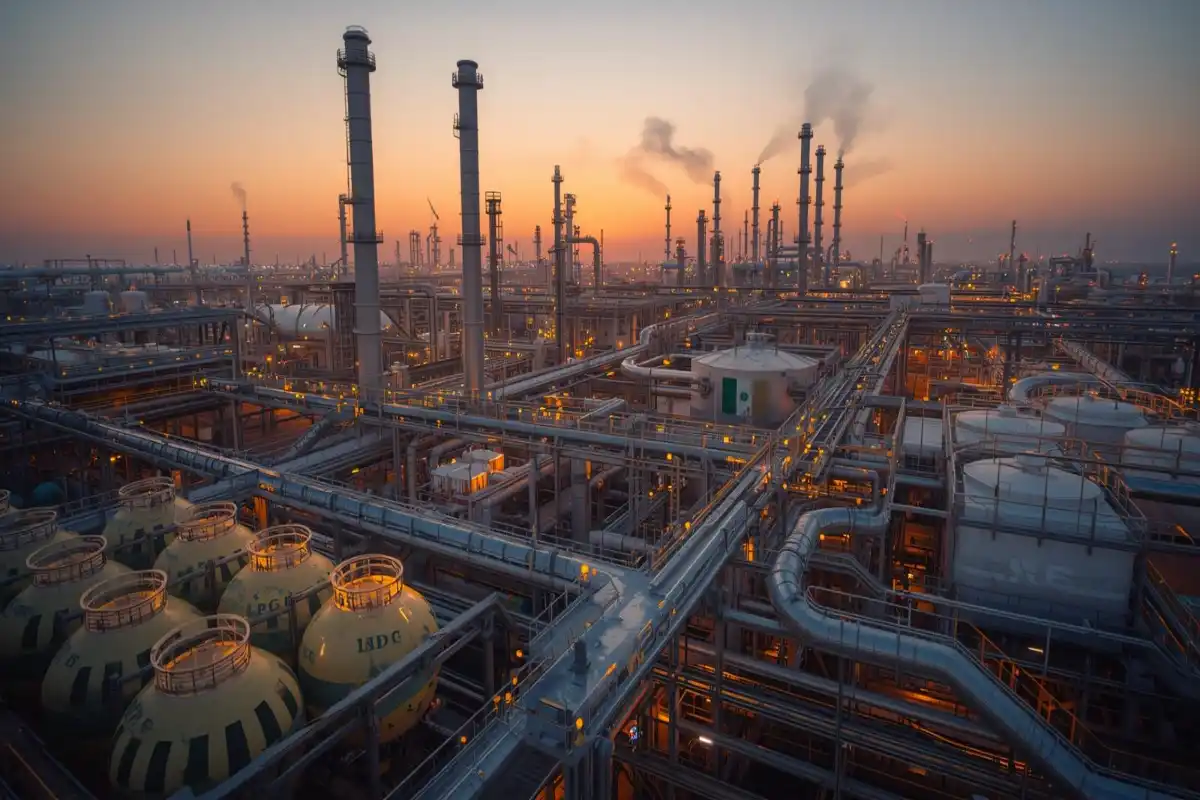
The Dangote Petroleum Refinery led the charge. NLNG Limited also contributed substantially to the supply. Together, they transformed Nigeria's LPG market.
The shift signals a turning point. For years, Nigeria relied heavily on imported cooking gas. This created foreign exchange pressures. It also exposed households to unstable prices. The 2025 figures show a dramatic reversal of that trend.
Record Supply Volumes Nigeria's total LPG supply reached 1.6 million metric tons in 2025, according to the Nigerian Midstream and Downstream Petroleum Regulatory Authority (NMDPRA). This was the highest volume recorded in a single year.
December saw the strongest performance.
Daily supply averaged 5.2 thousand metric tonnes. This exceeded daily consumption of 4,380 metric tonnes. The surplus provided crucial buffer stock.
Dangote Refinery emerged as the primary driver. It supplied 285,000 barrels daily of LPG. The refinery started operations in late 2024. It immediately became Nigeria's largest domestic cooking gas source. Other plants like Kwale Hydrocarbon also contributed significantly.
What Changed for Nigerian lower prices.
Stable supply: Greater energy security.These benefits reached ordinary Nigerians throughout 2025. In December alone, retail cooking gas prices ranged between ₦1,120 and ₦1,600 per kilogramme. This represented competitive pricing compared to earlier years. Supply reliability improved dramatically.
The 87 percent domestic figure means less dependency on imports. When Nigeria produced most of its own cooking gas locally, prices stabilized.
Trucking and distribution became more predictable.The NMDPRA confirmed that domestic production anchored the price structure. Inland refineries, not overseas markets, now set the tone. This protects Nigerian consumers from global price shocks.
Industry Shift the change reflects broader energy transformation. For decades, state-owned refineries underperformed. Nigeria, Africa's largest oil producer, ironically imported fuel. That changed when Dangote Refinery commenced operations.
The refinery's contribution extended beyond petrol.
Its LPG output revolutionized the cooking gas sector. Other modular refineries and gas processing plants expanded production too. Together, they achieved domestic supply dominance. This wasn't accidental. Government policy supported local refining.
Stricter regulations on LPG exports helped keep supply domestic. The Petroleum Industry Act reforms created better operating conditions for private refineries.
Looking Ahead
The 2025 performance establishes a foundation. Industry experts expect continued growth. More refineries are scheduled to start operations. Gas projects like ANOH are coming online.
For Nigerian households, the implications are clear. Expect more stable cooking gas availability. Price volatility should continue declining. Energy independence improves month by month.
The 87 percent figure represents more than statistics. It means families spending less on cooking fuel. It means businesses planning operations with confidence. It means Nigeria's energy sector gradually shifting toward self-sufficiency.
Stay tuned to Naijarave for more updates on Nigeria's energy sector transformation and how policy changes continue reshaping the nation's future.