Shettima on Diplomatic Duty: Nigeria Strengthens Regional
and Global Engagement
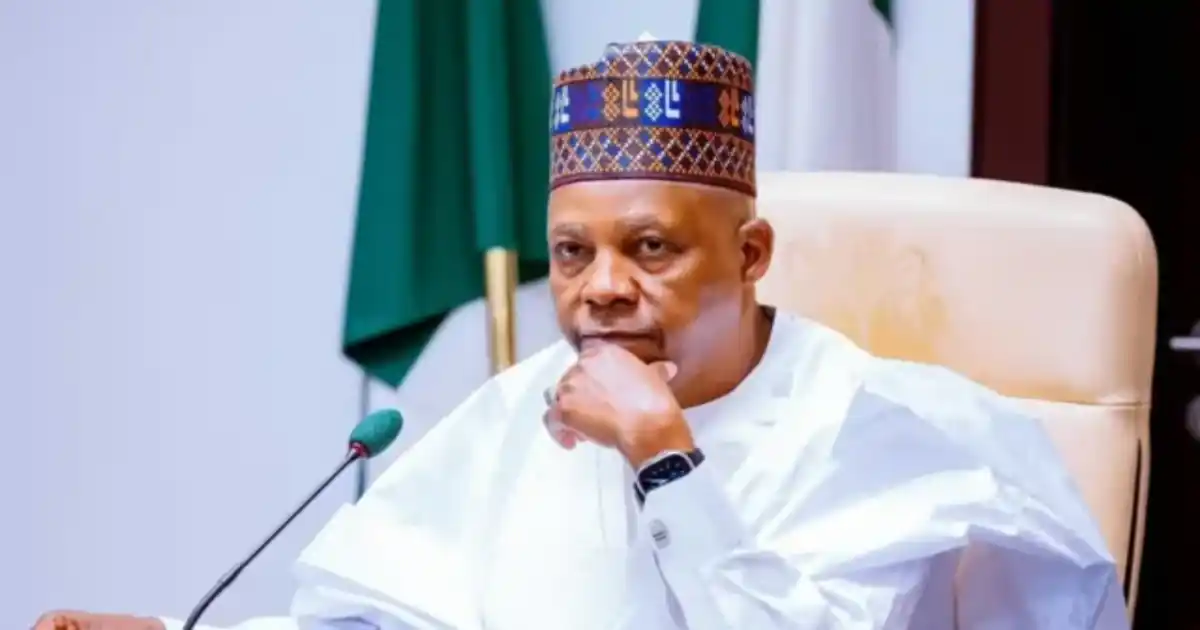
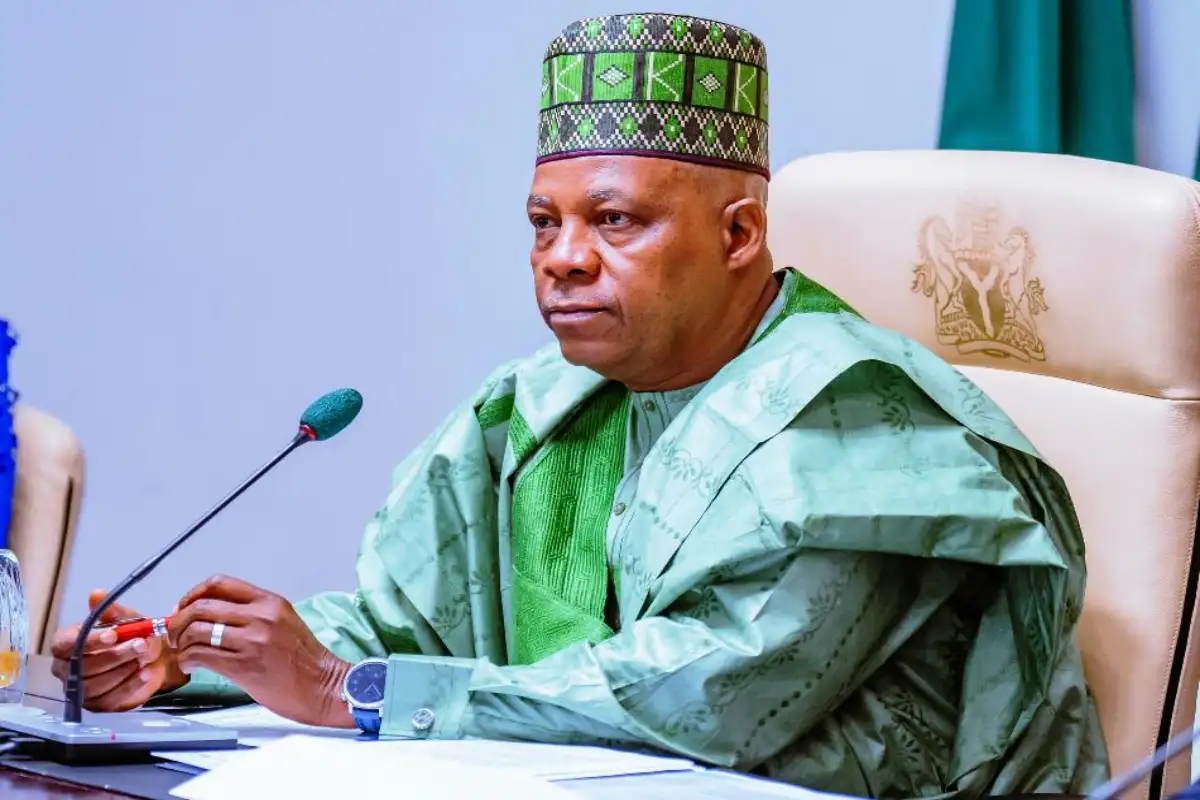
Vice President Kashim Shettima has embarked on a
significant diplomatic mission that underscores Nigeria’s renewed commitment to
regional cooperation and global economic engagement. Representing President
Bola Ahmed Tinubu, the Vice President is in Guinea-Conakry to attend the
inauguration of President Mamadi Doumbouya, an event that marks a new phase in
Guinea’s political transition and offers Nigeria an opportunity to reinforce
bilateral relations with a key West African neighbour.
The presence of Nigeria’s Vice President at the
inauguration ceremony is a strong signal of Abuja’s support for stability,
dialogue, and constitutional order within the sub-region. Guinea has played an
important role in West African geopolitics, and Nigeria’s engagement reflects
its long-standing position as a regional leader committed to peace, diplomacy,
and collective development. By attending the ceremony on behalf of President
Tinubu, Vice President Shettima conveys Nigeria’s willingness to work closely
with Guinea as it navigates its governance and economic priorities.
Diplomatic engagements of this nature go beyond
ceremonial appearances. They provide platforms for behind-the-scenes
discussions on security cooperation, trade, migration, and regional
integration. West Africa continues to face complex challenges ranging from
political transitions and economic pressures to security threats and
climate-related risks. Nigeria’s decision to maintain high-level representation
at such events highlights the administration’s belief that sustained dialogue
and partnership are essential tools for addressing these shared challenges.
Vice President Shettima’s visit also reinforces Nigeria’s
broader foreign policy direction under President Tinubu, which emphasizes
pragmatic diplomacy and economic cooperation. By strengthening ties with
neighbouring countries, Nigeria aims to promote regional stability while
unlocking new opportunities for trade and investment. Guinea, with its natural
resources and strategic location, represents a potential partner in areas such
as mining, energy, agriculture, and infrastructure development.
Following his engagement in Guinea-Conakry, Vice
President Shettima is scheduled to travel to Davos, Switzerland, where he will
attend the World Economic Forum. The Davos meeting is one of the most
influential global platforms for economic dialogue, bringing together heads of
state, policymakers, business leaders, and development experts from around the
world. Nigeria’s participation at this forum reflects the government’s intent
to position the country as an attractive destination for global capital and
strategic partnerships.
At the World Economic Forum, Vice President Shettima is
expected to engage with international investors, multilateral institutions, and
corporate leaders on Nigeria’s economic reforms and investment opportunities.
The Tinubu administration has introduced wide-ranging policy measures aimed at
stabilizing the economy, improving the business environment, and encouraging
private sector participation across key sectors. Davos provides an opportunity
to communicate these reforms directly to global stakeholders and to counter
negative perceptions that often surround emerging markets.
Nigeria’s presence at the forum also allows it to
contribute to global conversations on pressing issues such as energy
transition, climate finance, digital transformation, and inclusive growth. As
Africa’s largest economy by population and one of its most influential markets,
Nigeria’s voice carries weight in discussions on how developing economies can
balance growth with sustainability. Vice President Shettima’s engagements are
expected to highlight Nigeria’s priorities in renewable energy, infrastructure
expansion, food security, and human capital development.
The dual engagements in Guinea and Davos reflect a
carefully calibrated diplomatic strategy that combines regional leadership with
global outreach. On one hand, Nigeria is reaffirming its role as a stabilizing
force in West Africa, committed to peaceful transitions and cooperation among
neighbours. On the other hand, it is actively seeking to integrate more deeply
into the global economy by engaging investors and policymakers at the highest
levels.
This approach aligns with President Tinubu’s vision of
repositioning Nigeria through economic diplomacy. Rather than limiting foreign
engagements to traditional political alliances, the administration is focusing
on partnerships that can deliver tangible economic benefits. By leveraging
platforms like the World Economic Forum, Nigeria aims to attract long-term
investment, promote exports, and build confidence in its reform agenda.
Vice President Shettima’s diplomatic schedule also
reflects the increasing importance of vice-presidential diplomacy in modern
governance. As global engagements become more frequent and complex, delegating
high-level representation allows Nigeria to maintain an active presence on
multiple fronts simultaneously. This ensures continuity in international
relations while enabling the President to focus on domestic priorities.
For Nigeria, the outcomes of these engagements will be
measured not only in diplomatic goodwill but also in concrete results.
Strengthened ties with Guinea could translate into enhanced regional
cooperation and economic collaboration. Participation in Davos could lead to
new investment commitments, partnerships, and policy dialogues that support
Nigeria’s development goals.
As the Vice President carries out his duties abroad, the
broader message is clear: Nigeria is actively re-engaging with the world.
Through strategic diplomacy, regional solidarity, and global economic outreach,
the Tinubu administration is seeking to redefine Nigeria’s place on the
international stage. Vice President Kashim Shettima’s mission to Guinea-Conakry
and Switzerland represents a continuation of this effort, signaling a proactive
and outward-looking foreign policy aimed at securing a more prosperous future
for the country.