President Tinubu Returns: A New Era of Trade and Investment with UAE
Here is the cleaned, edited article text only, with all references, numbering, metadata, tables, links, SEO sections, and irrelevant extras removed. What remains is a smooth, continuous article suitable for direct publication.
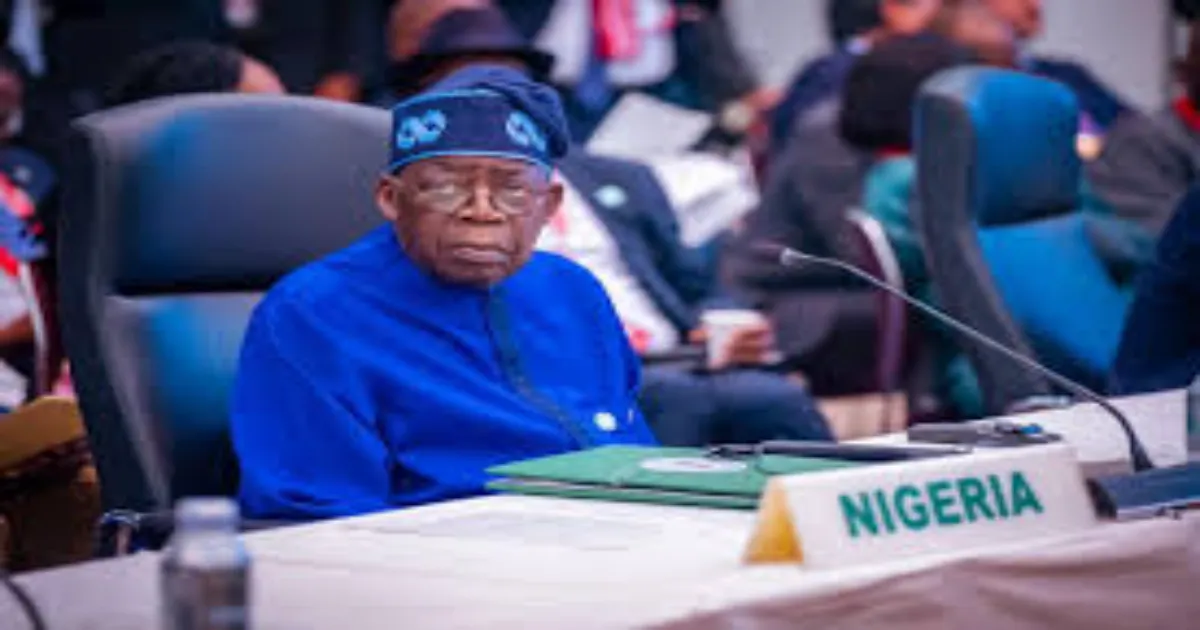
President Bola Tinubu has returned to Nigeria after participating in the 2026 Abu Dhabi Sustainability Week, marking a major moment in the country’s international economic engagement. His visit to the United Arab Emirates culminated in the signing of a Comprehensive Economic Partnership Agreement between Nigeria and the UAE, a deal expected to significantly expand trade, attract investment, and reposition Nigeria within global supply chains.
The trip formed part of the administration’s broader strategy to leverage international platforms to drive economic transformation, deepen trade relations, and attract long-term capital. By engaging global investors and policymakers, Nigeria signaled its readiness to become a hub for sustainable investment and industrial growth.
Abu Dhabi Sustainability Week 2026
The Abu Dhabi Sustainability Week brought together global leaders, investors, and policymakers to discuss sustainable development, climate action, and energy transition. The forum focused on integrating finance, technology, energy systems, and human capital to drive long-term growth.
Nigeria’s participation went beyond symbolism. The country used the platform to articulate its vision for energy transition, climate finance, and economic diversification. President Tinubu outlined Nigeria’s commitment to balancing industrial growth with environmental responsibility, positioning the country as an active contributor to global sustainability discussions.
Nigeria–UAE Comprehensive Economic Partnership
The Comprehensive Economic Partnership Agreement signed during the summit represents one of the most significant trade agreements Nigeria has entered into in recent years. The agreement is designed to deepen economic cooperation, boost bilateral trade, encourage investment flows, and enhance collaboration across key sectors.
A major feature of the agreement is tariff elimination. Thousands of Nigerian product lines now enjoy duty-free access to the UAE market, particularly in agriculture, manufacturing, and pharmaceuticals. Additional products will benefit from phased tariff reductions over the coming years, while Nigeria will also reduce tariffs on key industrial inputs and machinery to support local production.
The agreement extends beyond goods to cover a wide range of services, including business services, finance, transport, construction, healthcare, tourism, and information technology. Provisions on business establishment and mobility allow Nigerian companies to set up operations in the UAE and enable professionals and executives to move more freely between both countries.
Benefits for Trade and Investment
The partnership positions the UAE as a strategic export gateway for Nigerian businesses, offering access not only to Gulf markets but also to broader global trade routes. Nigerian exporters are expected to benefit from advanced logistics networks, efficient ports, and strong re-export channels.
The agreement also strengthens investor confidence. Clearer rules and protections are expected to attract UAE capital into Nigeria’s productive sectors, including infrastructure, agriculture, manufacturing, real estate, digital services, and logistics. Increased foreign investment is expected to accelerate industrial development and support economic reforms already underway.
In addition, Nigeria’s role within Africa makes it an attractive base for investors seeking access to the wider continental market. With regional trade integration advancing, the partnership enhances Nigeria’s position as a gateway to African commerce.
Climate Finance and Green Investment
Nigeria used the summit to outline an ambitious climate and energy transition agenda. The government aims to mobilize significant annual funding for climate-resilient infrastructure, renewable energy, and green industrial development.
Several institutional frameworks have been introduced to support this agenda, including platforms dedicated to climate investment, renewable energy expansion, and concessional financing for adaptation and mitigation projects. These initiatives are designed to attract both domestic and international capital while expanding access to electricity and clean energy nationwide.
Energy reforms, supported by recent legislation, are enabling decentralized power generation and distribution. This approach allows communities and businesses to develop localized energy solutions, improving reliability and reducing dependence on the national grid. Nigeria has reaffirmed its commitment to achieving net-zero emissions by 2060 while continuing to pursue economic growth and industrial expansion.
Opportunities for Nigerian Businesses
The partnership creates immediate export opportunities for Nigerian producers, particularly in agriculture, pharmaceuticals, textiles, fashion, and processed foods. Duty-free access to the UAE market opens new demand channels, including access to re-export markets across the Gulf and beyond.
Over the long term, reduced tariffs on industrial machinery and equipment are expected to lower production costs for Nigerian manufacturers. This supports competitiveness, encourages value-added production, and strengthens the country’s industrial base.
Investopia and Global Capital Access
Nigeria also announced plans to co-host a major investment summit with the UAE, designed to connect Nigerian businesses with global investors, venture capital firms, and development finance institutions. The initiative aims to showcase Nigeria’s reform agenda, highlight bankable projects, and facilitate partnerships across infrastructure, technology, energy, and manufacturing.
Economic Outlook
Nigeria’s non-oil exports have already shown strong growth, supported by diversification efforts and policy reforms. The trade agreement is expected to accelerate this trend, while rising capital inflows are projected to support infrastructure development, job creation, and youth employment.
With a young and growing population, expanded trade and investment are expected to generate opportunities across manufacturing, services, and the digital economy. The partnership also strengthens Nigeria’s leadership role in regional economic integration, benefiting supply chains and trade across West Africa.
Looking Ahead
While the agreement presents significant opportunities, successful implementation will depend on improving export capacity, strengthening quality standards, expanding trade finance, and upgrading logistics infrastructure. Nigerian businesses will also need to compete effectively in international markets through innovation, efficiency, and branding.
President Tinubu’s return from Abu Dhabi reflects more than diplomatic engagement. It marks a strategic step toward repositioning Nigeria as a competitive, investment-ready economy integrated into global trade and finance. With consistent implementation and sustained reforms, the partnership with the UAE has the potential to drive long-term growth, diversification, and sustainable development.