Virtual Dollar Cards in Nigeria
Nigerian freelancers, remote workers, and online entrepreneurs face a persistent challenge: accessing global digital services without the convenience of international payment options. Traditional bank restrictions on foreign transactions forced millions to seek alternatives. Virtual dollar cards have become the solution, enabling Nigerians to subscribe to Netflix, pay for cloud services on AWS, run Facebook ads, and shop on Amazon without the headaches of domiciliary accounts or forex hunting.
This guide explains what virtual dollar cards are, how to create them, and how to use them safely for seamless international payments.
What Is a Virtual Dollar Card?
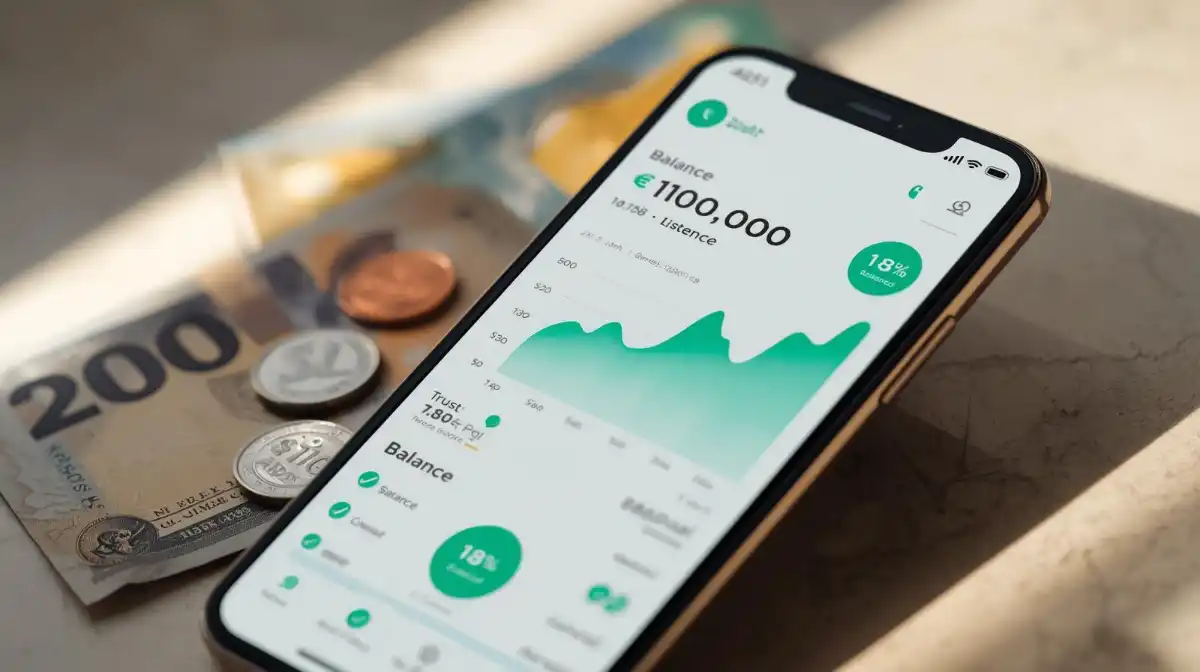
A virtual dollar card is a digital payment card that exists only on your smartphone or computer. Unlike physical cards, you never hold plastic in your hands. Instead, you access your card details through a mobile app whenever you need to make an online purchase or subscription payment.
Virtual dollar cards function like traditional debit cards but are specifically designed for international transactions. They carry a card number, expiration date, and CVV the same security details as physical cards. The key difference is that they're denominated in US dollars (USD), allowing you to pay for global services in the currency most platforms accept.
How Virtual Dollar Cards Work
The process is straightforward. You download an app from a fintech provider, complete identity verification, fund your account with Nigerian Naira, and convert it to USD. The app instantly generates your virtual card details. When you're ready to make a purchase on an international platform, you enter your card information just like you would with any debit card.
One significant advantage: virtual cards are impossible to physically lose. If your card details are compromised, you can instantly delete the card from your app and create a new one in seconds.
Why Virtual Dollar Cards Matter in Nigeria
In 2022, Nigeria experienced severe dollar shortages that forced banks to suspend international transactions on Naira-denominated cards. This created a crisis for digital professionals who depended on global payment platforms for their livelihoods. Virtual dollar cards filled that gap.
Today, the Central Bank of Nigeria (CBN) continues developing frameworks to support digital payments. A December 2025 CBN circular emphasized improving access to foreign-issued cards and ensuring banks properly accept international transactions. This regulatory support signals growing acceptance of digital payment alternatives.
Growing Demand Among Nigerian Professionals
According to recent fintech analyses, Nigeria's digital payments sector processed ₦657.8 trillion in transaction value during 2023, with active mobile wallet users exceeding 30 million. Virtual dollar cards represent a critical tool for this expanding ecosystem, especially for freelancers earning income from platforms like Upwork, Fiverr, and remote employment sites.
The CBN's Payments System Vision 2025 framework explicitly supports fintech innovation and digital financial inclusion, creating a more stable environment for virtual card providers to operate.
How to Create a Virtual Dollar Card in Nigeria: Step-by-Step
Getting a virtual dollar card requires minimal documentation and takes approximately 5-10 minutes. Here's the process on most platforms:
Step 1: Download and Install the App
Select a reputable virtual card provider. Popular options in Nigeria for 2025 include Cardtonic, Klasha, Geegpay, Chipper Cash, Grey, and Eversend. Download the app from Google Play Store or Apple App Store on your smartphone.
Step 2: Complete Identity Verification (KYC)
Open the app and create an account using your email address. Most providers require Know Your Customer (KYC) verification, which involves submitting a valid government-issued ID such as your national ID, international passport, or driver's license along with a selfie.
The CBN's tiered KYC policy allows basic virtual card creation with minimal documentation, making onboarding faster than traditional banking. Verification typically completes within 24-48 hours, though some providers approve instantly.
Step 3: Fund Your Account
Once verified, transfer Naira from your Nigerian bank account to the funding account provided by the app. Most providers accept transfers from any Nigerian bank. The amount typically reflects within minutes in your app wallet.
Step 4: Convert Naira to USD
In your app wallet, select "Convert" and enter the amount you want to change to US dollars. The app displays the current exchange rate and the equivalent USD amount. Confirm the conversion, and your USD balance becomes available instantly.
Step 5: Create Your Virtual Card
Navigate to the "Cards" section of your app and tap "Create New Card." You'll be prompted to enter the USD amount you want to load onto the card. The card generates instantly with a unique 16-digit card number, expiration date, and CVV security code.
Some providers allow you to name your cards (for example, "Spotify Card" or "Ads Card") to track spending across different subscriptions or business expenses.
Top Virtual Dollar Card Providers in Nigeria (2025)
Cardtonic
Cardtonicoffers one of Nigeria's most affordable virtual dollar cards. The card creation fee is just $1.50 with zero maintenance charges a major advantage over competitors who charge $1-5 monthly. Cardtonic claims competitive exchange rates and accepts funding directly in Naira. The card works globally on platforms like Amazon, Netflix, Spotify, Adobe, Canva, and Upwork.
KlashaKlasha focuses on international e-commerce shoppers and costs only $2 to create. The platform provides instant card issuance and real-time transaction notifications. Klasha integrates seamlessly with Nigerian bank accounts and supports shopping on ASOS, Zara, Amazon, AliExpress, and Netflix. It includes spending analytics so you can track your foreign currency expenses.
Geegpay
Geegpay, developed by fintech company Raenest, targets freelancers and remote workers. It offers competitive exchange rates compared to platforms like Payoneer and supports multiple currencies including USD, GBP, and EUR. Card creation fees are around $3, and the platform provides reliable access to work platforms like Upwork, PayPal, and Google Ads.
Chipper CashChipper Cash charges a $5 card creation fee and $1 monthly maintenance but offers high spending limits: $2,500 daily and $10,000 monthly. It's particularly popular among content creators and digital marketers running paid advertising campaigns.
Grey (Formerly Aboki Africa)
Grey offers one of the cheapest entry points with a $4 card creation fee and $1 cash-back upon setup. It features zero maintenance fees and competitive exchange rates. Grey appeals to users seeking minimal ongoing costs and straightforward international payments on platforms like Spotify and Coursera.
ALAT by Wema Bank
ALAT represents a bank-backed alternative, backed by Nigeria's Wema Bank. It offers both virtual Naira and dollar cards. Card creation costs around ₦2,260 (approximately $1.50) with a 2% funding fee plus ₦100. The maximum balance limit is $20,000, higher than many fintech competitors. Users benefit from bank-level security and customer support.
For a detailed comparison of features, see our guide on choosing the right fintech platform for your needs.
Comparing Costs: Which Provider Is Cheapest?
Card creation fees range from free to $5 across providers. Monthly maintenance fees vary from zero to $1. Here's the breakdown:
- Cheapest Option: Dantown($1 creation, no monthly fees, no funding fees)
- Most Popular: Cardtonic ($1.50 creation, zero maintenance)
- Bank-Backed: ALAT by Wema (₦2,260 creation, familiar bank experience)
- Best for Large Spenders: Chipper Cash ($5 creation, highest spending limits)
Total cost depends on your usage. If you make only occasional international payments, Dantown or Cardtonic's no-maintenance options save money. If you run frequent paid ads or large business expenses, Chipper Cash's higher limits justify the $1 monthly fee.
Using Your Virtual Dollar Card: What You Can Pay For
Subscriptions and Digital Services
Virtual dollar cards work seamlessly on virtually every major streaming, software, and subscription platform. Popular uses include Netflix, Apple Music, Spotify, YouTube Premium, ChatGPT Plus, Canva Pro, Adobe Creative Cloud, and Notion Plus. This removes the frustration of card declines that Nigerian Naira cards often face on these platforms.
Advertising and Marketing Campaigns
Digital entrepreneurs and agencies can run uninterrupted Facebook, Instagram, Google, and TikTok ad campaigns using virtual dollar cards. Unlike Naira cards, which frequently trigger account restrictions on ad platforms, USD cards experience far fewer payment issues.
Freelance Platforms and Payment Verification
If you work on Upwork, Fiverr, or similar platforms, virtual dollar cards help you verify your account, purchase connects (on Upwork), or upgrade your profile. They also work for PayPal transactions and other payment verification processes.
International E-Commerce Shopping
Shop on Amazon, AliExpress, Etsy, and other global retailers without card rejection concerns. Many retailers prioritize international cards, making virtual dollar cards particularly reliable for cross-border purchases.
Learn more about staying safe while shopping online with digital payment methods.
Security Best Practices for Virtual Dollar Cards
Enable Two-Factor Authentication
All reputable virtual card providers offer two-factor authentication (2FA). Enable this feature immediately. 2FA requires a second verification step usually a one-time code sent to your email or phone before you can access your account or change security settings. This prevents unauthorized access even if someone learns your password.
Use Strong, Unique Passwords
Create a password that combines uppercase letters, lowercase letters, numbers, and special characters. Never reuse passwords across multiple apps or websites. Consider using a password manager app like Bitwarden or 1Password to generate and store complex passwords securely.
Monitor Transactions Regularly
Check your transaction history in your app at least weekly. Look for unauthorized charges or unusual activity. Most providers allow you to set spending alerts that notify you of every transaction. Enable these alerts immediately after creating your card.
Never Share Your Card Details
Your card number, expiration date, and CVV are sensitive. Never share these details via email, WhatsApp, or unsecured messaging. Legitimate companies never ask for your CVV. If someone posing as customer service requests your card details, report them immediately as a scammer.
Delete Compromised Cards Instantly
If you suspect your card details have been compromised, don't wait. Open your app and delete the card immediately. Create a new card within seconds. This feature instant card deletion and recreation is one of the greatest advantages virtual cards hold over physical cards.
Verify Website Security Before Payment
Before entering your card details on any website, ensure the URL begins with "https://" (not "http://"). Look for a padlock icon in your browser's address bar. These indicate the site uses encrypted, secure connections. Avoid making payments on public Wi-Fi networks; use your mobile data or home internet instead.
Common Issues and How to Resolve Them
Card Declines Despite Sufficient Balance
Some platforms validate transactions but don't immediately deduct your balance. If you make multiple purchases in quick succession, the second transaction might decline due to insufficient available balance even though your total balance appears adequate. Solution: Wait a few minutes after each transaction for processing to complete before making another purchase.
Failed Transactions and Chargebacks
Chargebacks when customers claim they didn't authorize a transaction have historically been a challenge for Nigerian virtual card providers. High chargeback rates led Mastercard to temporarily restrict some Nigerian providers in 2023. Modern providers have implemented fraud detection and transaction verification to minimize this issue. If you experience an unauthorized transaction, contact your provider's support team immediately.
Slow Funding Transfers
Most Naira-to-USD transfers complete within minutes, but occasionally bank delays occur. If your transfer hasn't appeared within an hour, contact your provider's support team. They can investigate whether the transfer encountered issues at your bank or their end.
Account Freezing Due to AML Compliance
Virtual card providers must comply with Anti-Money Laundering (AML) regulations. Occasionally, accounts trigger automatic freezes if unusual activity patterns are detected. This isn't permanent. Contact your provider's support team, provide requested documentation (usually proof of income or account ownership), and your account typically unfreezes within 24-48 hours.
Virtual Dollar Cards vs. Traditional Bank Alternatives
Domiciliary Accounts
Traditional banks offer domiciliary accounts that hold foreign currency. However, these require minimum balances (often $500-1,000), charge monthly maintenance fees, demand extensive documentation, and offer limited online integration. Virtual cards require no minimum balance, involve no maintenance fees (on most platforms), and work instantly on your phone.
Physical Debit Cards with International Support
Some Nigerian banks issue physical debit cards with international capability, but many restrict foreign transactions. The CBN's December 2025 directive encourages banks to improve foreign card acceptance, but restrictions remain inconsistent. Virtual dollar cards face no such restrictions and work reliably across all major platforms.
The eNaira (Nigerian Central Bank Digital Currency)
Nigeria launched the eNaira in October 2021 as a digital version of the Nigerian Naira. However, eNaira is denominated in Naira, not USD, and doesn't solve the foreign currency transaction problem. Virtual dollar cards remain the primary solution for international payments because they're specifically designed for USD transactions.
Understand how Nigeria's digital currency ecosystem works alongside fintech solutions.
Regulatory Environment and Future Outlook
The Central Bank of Nigeria has significantly improved its regulatory approach to digital payments. The CBN's Payments System Vision 2025 framework explicitly supports fintech innovation while maintaining consumer protection standards. Recent directives emphasize financial inclusion and reducing barriers to digital payments.
In December 2025, the CBN issued a major circular requiring all banks and financial institutions to ensure seamless acceptance of foreign-issued cards across ATMs, POS terminals, and online platforms. This signals strong regulatory support for international payment accessibility.
What This Means for Virtual Card Users
The improved regulatory environment makes virtual card providers more reliable. As these platforms operate under closer supervision, consumer protections strengthen. The CBN's requirements for KYC compliance and fraud prevention mean your funds are increasingly protected against unauthorized access and misuse.
Upcoming Changes
The CBN is implementing new guidelines for prepaid card issuance and digital financial services throughout 2025-2026. These changes will standardize virtual card operations across platforms, making competition fiercer and services more consumer-friendly. Expect continuing improvements in exchange rates, faster funding, and lower fees as providers compete.
Choosing the Right Provider: A Quick Decision Framework
Best for Budget-Conscious Users: Dantown or Cardtonic. Both charge minimal creation fees and zero monthly maintenance. Perfect for occasional international purchases.
Best for Heavy Users and Ad Spenders: Chipper Cash. The high spending limits ($2,500 daily, $10,000 monthly) accommodate large business expenses and ad campaigns.
Best for E-Commerce Shoppers: Klasha. Built specifically for international shopping with real-time notifications and spending analytics.
Best for Freelancers: Geegpay or Grey. Both offer competitive exchange rates and low fees, appealing to professionals who handle frequent international transactions.
Best for Bank-Level Security: ALAT by Wema Bank. If you prefer a bank-backed service and don't mind slightly higher fees, ALAT provides institutional-grade security.
For help evaluating financial service providers, see our comprehensive guide to choosing financial technology platforms.
Closing Thoughts
Virtual dollar cards have become essential financial tools for millions of Nigerians. They've democratized access to global digital services, enabling freelancers, entrepreneurs, and professionals to participate fully in the international economy without expensive intermediaries or restrictive banking processes.
As you choose a provider and create your first virtual card, remember that security comes first. Enable two-factor authentication, use strong passwords, and monitor your transactions carefully. Select a provider with a solid reputation and transparent fee structure.
The virtual card landscape in Nigeria continues evolving. New providers launch regularly with innovative features, and existing platforms continuously improve their services. Exchange rates fluctuate, and regulatory frameworks develop. Bookmark this page and check back regularly for updated provider comparisons and security recommendations. Your next international payment should be frictionless.