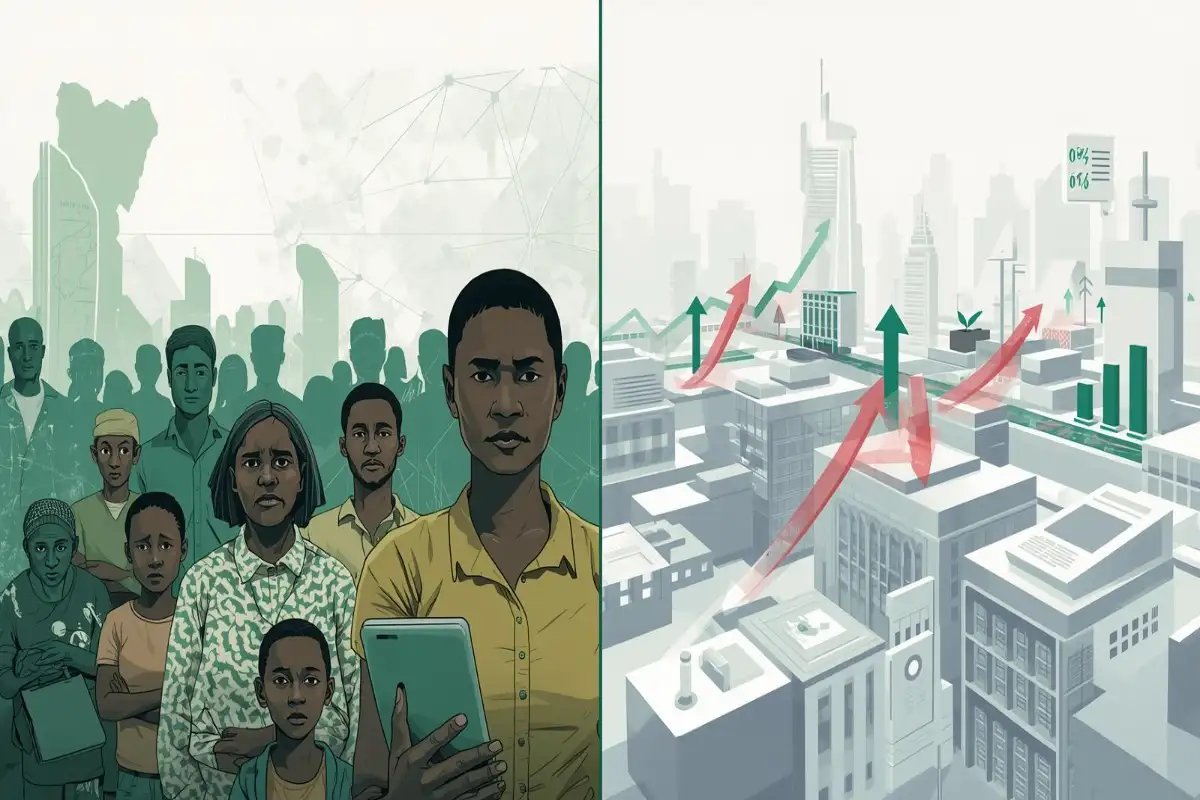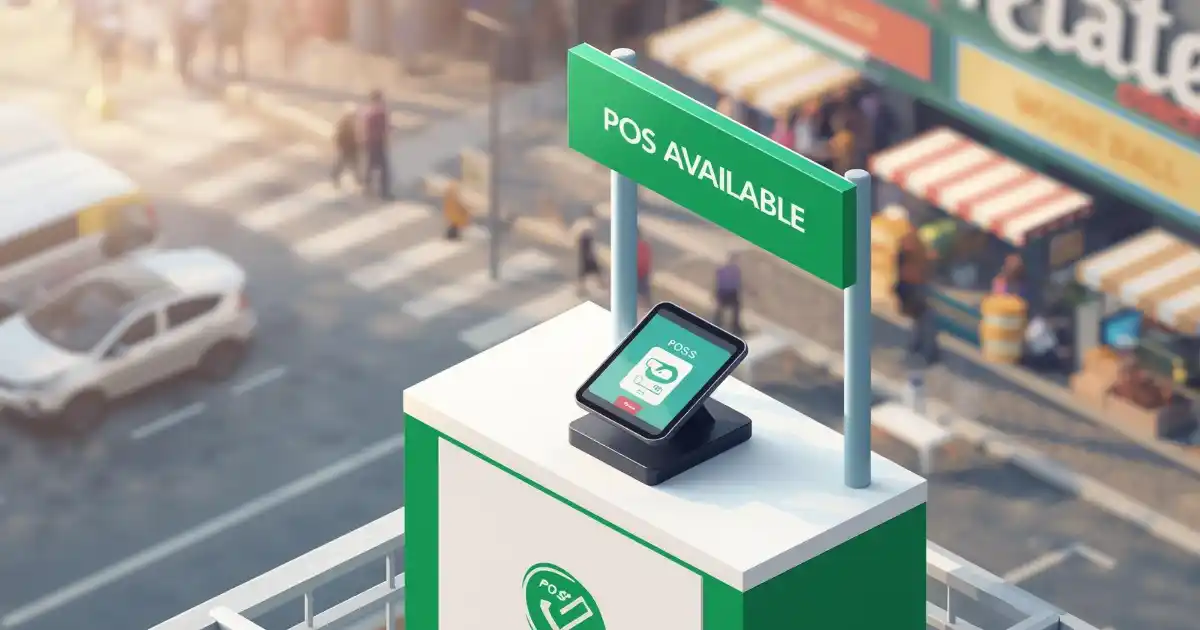
The landscape of financial services in Nigeria has undergone a radical transformation. No longer are citizens forced to endure grueling queues at commercial banks just to withdraw a few thousand Naira. The rise of Agency Banking, powered by Point of Sale (POS) terminals, has decentralized banking, bringing it to the doorsteps of millions in rural and urban areas alike. In 2026, the POS business remains one of the most accessible and lucrative entry points into the Nigerian entrepreneurial space.
However, as the market matures, the "random umbrella and table" model is being replaced by more structured, tech-driven, and legally compliant operations. With the Corporate Affairs Commission (CAC) beginning its nationwide clampdown on unregistered operators in early 2026, success in this field now requires more than just a terminal; it requires a strategic business mindset. This guide explores the top players, the financial requirements, and the critical pitfalls you must avoid to thrive in the NaijaRave economy.
The Big Five: Top POS Companies in Nigeria for 2026
Choosing the right partner is the most critical decision an agent can make. Reliability, network uptime, and commission structures vary significantly across providers.
1. Moniepoint: The Market Leader
Moniepoint has solidified its position as the "gold standard" for POS agents in Nigeria. Known for its incredible network stability and fast dispute resolution, it is the preferred choice for high-volume traders.
- Key Advantage: They offer a hybrid model where you can either lease or purchase the terminal outright. Their "Moniepoint MFB" integration allows for seamless fund management.
- Cost: Terminals typically range from ₦25,000 to ₦35,000 depending on the model (Traditional vs. Smart POS).
2. OPay: The Consumer Giant
OPay’s aggressive expansion has made it a household name. Their app-to-POS integration is one of the smoothest in the industry, making it easy for beginners to navigate.
- Key Advantage: They often provide incentives for high-performing agents and have a very low barrier to entry regarding documentation.
- Cost: You can often secure an OPay terminal with a caution deposit of around ₦20,000 to ₦30,000.
3. Palmpay: The Tech Innovator
Palmpay has gained massive traction by offering some of the lowest transaction fees for agents. Their smart POS terminals are sleek and support a wide range of bill payments, which adds an extra revenue stream for the business.
- Key Advantage: High cashback rewards on bill payments (Electricity, DSTV, etc.) which increases the overall profit margin.
4. Firstmonie (First Bank): The Trust Factor
For those in rural areas where "fintech" might still be viewed with skepticism, Firstmonie carries the weight of Nigeria’s oldest bank.
- Key Advantage: Unmatched presence in remote villages and a robust liquidity support system through First Bank branches.
5. Paga: The Pioneer
Paga remains a strong contender, especially for those looking to build a multi-service center. They focus heavily on "Agency Banking" as a professional career path, providing extensive training for their agents.
Startup Cost Breakdown: What You Actually Need
Many prospective owners ask: "Can I start with ₦50,000?" The answer is yes, but your scale will be limited. To run a sustainable POS business in 2026, you should budget for the following categories:
The Physical Setup (₦30,000 – ₦100,000)
This includes the terminal itself, a secure kiosk or shop rent, and branding materials. While a wooden table and a large umbrella used to suffice, security concerns in 2026 mean that a lockable metal kiosk is a much smarter investment.
The Working Capital or "Float" (₦50,000 – ₦500,000)
This is the most important part of your budget. Your "float" is the cash you keep on hand to pay out to customers. If a customer wants to withdraw ₦20,000 and you only have ₦5,000 in your drawer, you lose that business. A healthy starting float for a high-traffic area is ₦150,000.
Legal and Compliance (₦20,000 – ₦35,000)
As of January 2026, CAC registration is mandatory. Operating without a registered business name can lead to your terminal being blocked by the provider or seized by authorities. Additionally, getting a Tax Identification Number (TIN) is now a prerequisite for many fintech platforms.
Profit Analysis: How Much Can You Really Make?
The profitability of a POS business is a volume game. You aren't making a lot from one person; you are making a little from hundreds of people.
Revenue Streams
- Withdrawal Commissions: You typically charge ₦100 for every ₦5,000 or ₦200 for ₦10,000. After the terminal provider takes their small cut (usually 0.5%), you keep the rest.
- Transfer Fees: Charging ₦100 to ₦200 for transfers is standard.
- Bill Payments: While the commission per bill is small (₦20 – ₦50), it brings foot traffic to your shop, leading to more withdrawals.
Monthly Projections
A well-located POS point in a busy market or residential junction can process 50 to 100 transactions a day.
- Daily Average Profit: ₦8,000 – ₦12,000.
- Monthly Gross Profit: ₦240,000 – ₦360,000.
- Expenses (Data, Rent, Attendant Salary): ₦60,000 – ₦100,000.
- Net Profit: ₦180,000 – ₦260,000.
4 Critical Mistakes That Kill POS Businesses
Despite the high demand, many POS points close within six months. Avoiding these common errors is essential for longevity.
1. Operating Without CAC Registration
The days of the "informal" POS agent are over. The Corporate Affairs Commission and the CBN have tightened regulations to combat money laundering and fraud. If your business isn't registered, you risk heavy fines and permanent blacklisting. At NaijaRave, we always advise starting right to stay in business.
2. Poor Liquidity Management
Running out of cash (float) is the fastest way to lose customers. Once a customer comes to your stall twice and hears "no cash," they will never come back. You must have a strategic plan for "re-upping" your cash, whether through a nearby bank or a partnership with local retailers who need to deposit their daily sales.
3. Ignoring Security and "Card-Trapping" Scams
Fraudsters often target POS agents with stolen cards or by distracting the agent to swap the terminal. In 2026, sophisticated "fake alert" apps are also a threat. Always wait for the "Successful" notification on your terminal and your own app before handing over cash.
4. Poor Location Choice
A POS business is 90% about location. Setting up in an area with three existing banks and five other POS agents will lead to a "price war" where your margins disappear. Look for "underserved" pockets: new estates, major construction sites, or areas where the nearest ATM is a 20-minute drive away.
Success Strategies for 2026
To stand out in a crowded market, you need to offer more than just a terminal.
Offer Multi-Network Connectivity
The "Network is down" excuse is a profit killer. Smart agents in 2026 use POS terminals that support dual-SIM or Wi-Fi connectivity. Having a backup MTN or Airtel router ensures that even when one network fluctuates, your business stays online.
Diversify Your Services
Don't just be a "money changer." Offer airtime top-ups, data subscriptions, and even NIN registration assistance if you can get the license. The more reasons a customer has to visit your kiosk, the more loyal they become.
Professionalism and Customer Service
Treat your POS point like a bank branch. Wear a clean shirt, maintain a professional banner, and always be polite. Small gestures, like having an extra chair for elderly customers, build the trust necessary for people to handle their hard-earned money with you.
Conclusion: Is it Still Worth It?
As we move further into 2026, the POS business remains a vital pillar of the Nigerian economy. While the barriers to entry are slightly higher due to new regulations and increased competition, the profit potential for a disciplined entrepreneur is higher than ever. By choosing a reliable partner like Moniepoint or OPay, staying compliant with the CAC, and managing your cash flow meticulously, you can build a stable and scalable business.
For more insights into the evolving Nigerian lifestyle and the latest business trends, keep following our updates. The era of digital banking is here, and there is more than enough room for those ready to play by the rules and work the grind.