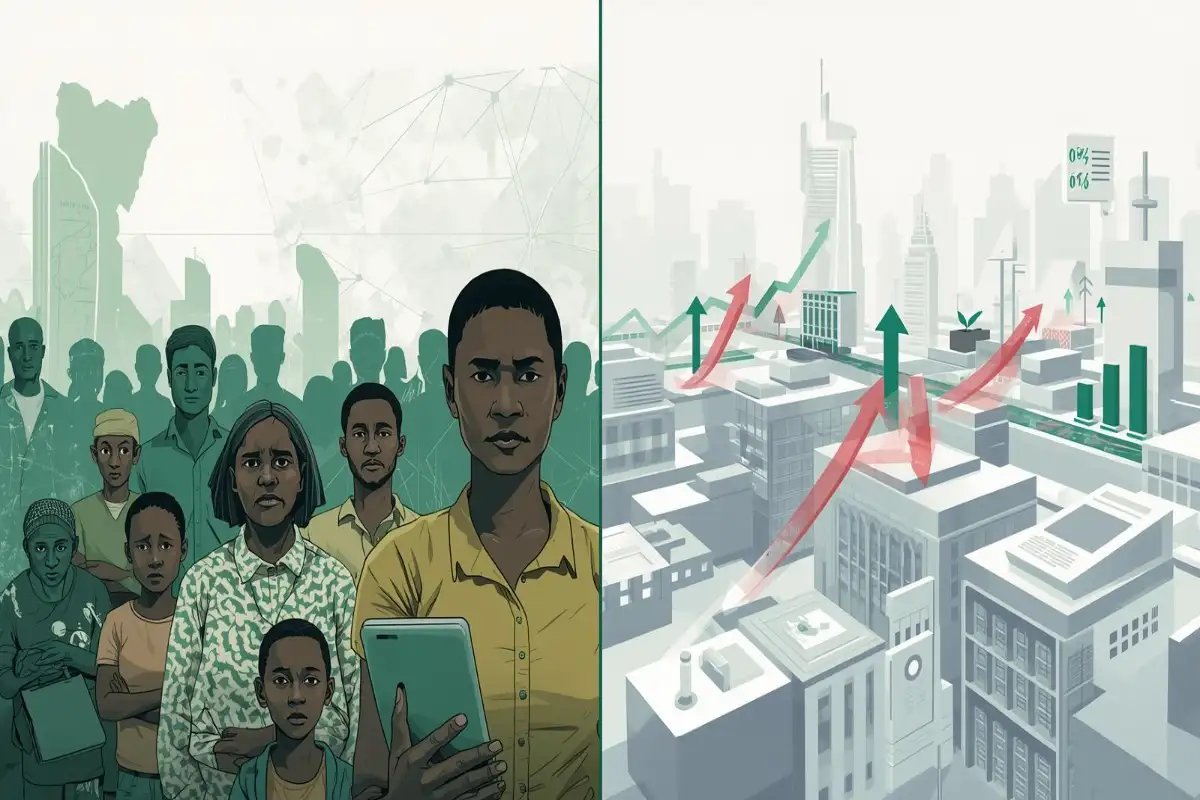
In a Nigerian economy rapidly shifting from "cash-only" to digital credit, your credit score is now your most valuable asset. This investigative guide peels back the layers of the Nigerian credit reporting system, revealing how to navigate the Central Bank of Nigeria (CBN) regulations, repair damaged history, and strategically position yourself for high-value loans and mortgages.
For decades, the Nigerian financial philosophy was simple: Cash is King. If you didn't have the Naira in your pocket or your account, you couldn't buy it. But the landscape has shifted dramatically. With the explosion of Fintech, the proliferation of credit apps, and the evolution of digital banking, creditworthiness has become the new currency.
Whether you are looking to secure a mortgage in Lagos, finance a vehicle in Abuja, or simply access a quick business loan to scale your SME, your "creditworthiness" is the gatekeeper. But what exactly is going on behind the scenes at the Credit Bureaus? How do algorithms decide your financial fate?
This comprehensive guide acts as your blueprint to mastering the Nigerian credit system.
The Hidden Mechanics of Credit in Nigeria
Most Nigerians assume that because they have never taken a loan, their credit is "clean." In the world of credit reporting, "no history" is often treated as suspiciously as "bad history." To increase your creditworthiness, you must first understand the infrastructure that tracks it.
The "Big Three" Credit Bureaus
Under the licensing and supervision of the Central Bank of Nigerian (CBN), three major credit bureaus aggregate data on every borrowing adult in the country. They are the custodians of your financial reputation:
- CRC Credit Bureau: Known for its robust data analytics used by major commercial banks.
- CreditRegistry: Nigeria’s pioneer credit bureau, heavily utilized by fintechs and mortgage institutions.
- FirstCentral Credit Bureau: Focuses extensively on consumer credit data integration.
When you apply for a loan whether it's a multimillion-naira facility from Zenith Bank or a N50,000 quick loan from a loan app the lender queries these bureaus. If your report shows a history of defaults, late payments, or "ghost" behavior (no history), your application is dead on arrival.
Step 1: The Diagnostic Phase – Know Where You Stand
You cannot improve what you do not measure. Before applying for any new credit, you must conduct a forensic audit of your current status.
How to Check Your Score
To access your report, visit the websites of the "Big Three" listed above. You will need your:
- Bank Verification Number (BVN)
- Date of Birth
- Registered Phone Number
Once you have your report, look for the SMARTScore or the bureau's equivalent scoring model. In Nigeria, scores typically range from 300 to 850. Anything above 700 is considered excellent, while anything below 550 puts you in the "high risk" category.
Step 2: The Cleanup – Removing "Zombie" Debt and Errors
Investigative analysis of Nigerian credit reports often reveals "Zombie Debt" loans you paid off years ago that still show as "active" or "defaulted" due to administrative errors by banks or defunct fintechs.
Disputing Errors
If you find a loan you never took, or one you already paid:
- Gather Evidence: Download your bank statements showing the repayment dates and the final clearance email/SMS from the lender.
- File a Dispute: Log a formal dispute via the Credit Bureau’s portal. They are legally required to investigate within a specific timeframe.
- Contact the Lender: Simultaneously, write to the financial institution. If it's a loan app that has since shut down or changed names (a common occurrence in the Nigerian tech ecosystem), this can be tricky. You may need to escalate to the CBN's Consumer Protection Department.
Step 3: Strategic Credit Building
Once your report is accurate, it is time to aggressively build your score. This requires a shift in behavior. It is not just about paying debts; it is about how and when you pay them.
1. The 30% Utilization Rule
This is the golden rule of creditworthiness. If you have a credit card or an overdraft facility with a limit of N100,000, never use more than N30,000 (30%) of it at any given time. Maxing out your limit signals financial distress to the algorithms.
2. Diversify Your Credit Mix
Lenders trust borrowers who can handle different types of credit. A profile with only "payday loans" looks desperate. A profile with a mix of an installment loan (like a device financing plan) and a credit card looks robust.
Consider using "Buy Now, Pay Later" (BNPL) services for small electronics or household items, provided they report to the bureaus. This builds a positive repayment history on installment credit.
3. The "clean Slate" Strategy for Defaults
If you have genuine defaults, you must negotiate. Contact the lender and ask for a "Pay for Deletion" or a "Restructuring Plan."
"Paying off an old debt doesn't immediately erase the history, but it updates the status to 'Paid/Settled,' which is infinitely better than 'Written Off' or 'Bad Debt'."
The "Loan App" Trap: A Warning
In the quest to build credit, many Nigerians fall victim to predatory digital lenders. While some are legitimate, others engage in unethical practices that can ruin your reputation.
Avoid "Sharks": Do not use unregistered loan apps that require access to your contacts. Not only is this a violation of data privacy laws, but these apps often do not report positive repayment history to the bureaus meaning you get the risk without the credit-building reward. Stick to reputable fintechs and banks that are fully compliant with CBN regulations.
For insights on distinguishing legitimate financial tools from scams, check our guide on safe digital investment platforms.
Advanced Strategies: Leveraging Corporate Credit
If you are a business owner, your personal creditworthiness is often tied to your business. Registering your business and obtaining a corporate account separates your liability, but in the early stages, your personal guarantee is key.
Ensure your business transactions are routed through a corporate account. High turnover in a corporate account can sometimes override a thin personal credit file when applying for SME loans.
Factors That Damage Your Nigerian Credit Score
| Factor | Impact Level | Explanation |
|---|---|---|
| Late Payments | Critical | Missing a payment due date by even 24 hours can trigger a flag. |
| High Credit Utilization | High | Using over 50-70% of your available credit limit suggests cash flow problems. |
| Multiple Inquiries | Medium | Applying for 5 different loans in one week makes you look desperate ("Credit Hungry"). |
| Ignored "Small" Debts | High | Ignoring that N2,000 unpaid balance on a dormant account can haunt you for years. |
The Future of Creditworthiness: Open Banking
The CBN's move toward Open Banking is set to revolutionize creditworthiness. Soon, lenders won't just look at your loan history; they will analyze your regular cash flow how you pay your electricity bills, your cable subscriptions, and even your rent.
This means that paying your utility bills on time is no longer just about keeping the lights on; it's about building a data trail that proves you are a reliable borrower.
Conclusion: Your Roadmap to Financial Trust
Increasing your creditworthiness in Nigeria is not an overnight hack; it is a deliberate construction of trust. It requires transparency, discipline, and regular monitoring.
By checking your report today, disputing errors, maintaining low utilization, and diversifying your credit mix, you move from being a "financial ghost" to a "prime borrower." In a country where access to capital is the difference between stagnation and growth, your credit score is the key to unlocking your potential.
Don't wait until you have an emergency to fix your credit. Start today.
Actionable Next Steps
- Today: Request your free credit report from CRC or CreditRegistry.
- This Week: List all outstanding debts and create a "Snowball" payment plan.
- This Month: Automate your repayment for recurring bills to ensure you never miss a due date.
For more insights on navigating the Nigerian economy, business growth, and lifestyle, keep reading NaijaRave.