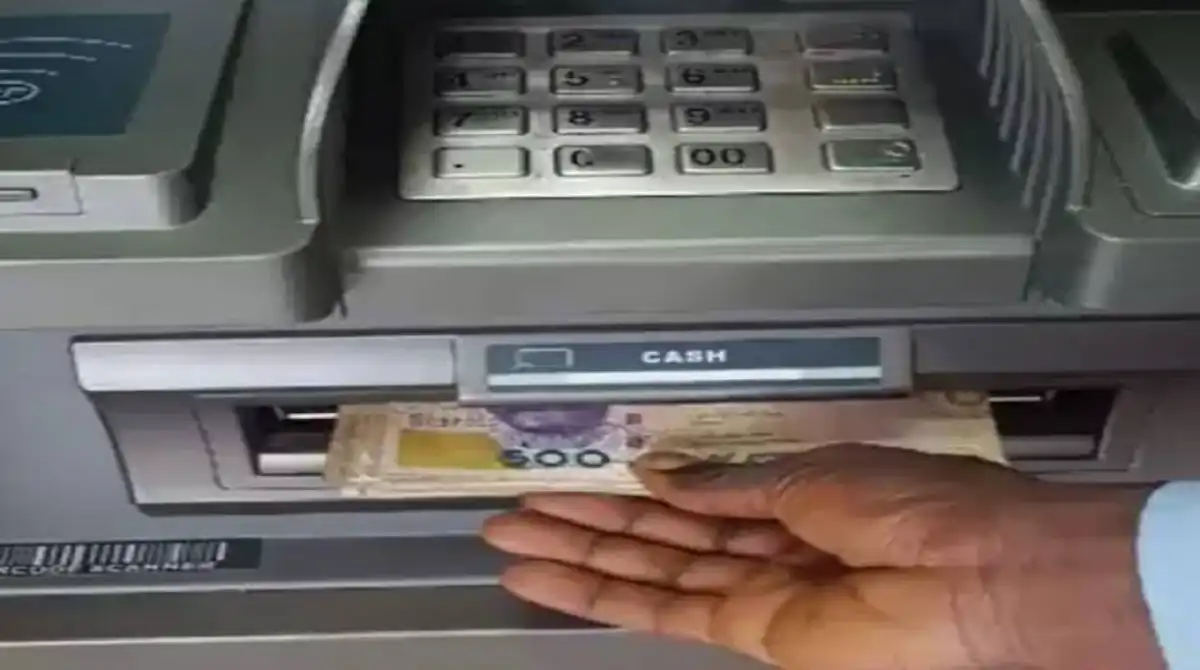
Nigeria ATM Withdrawals Increase as Cash Demand Rises Nationwide
ATM withdrawals across Nigeria are increasing again, reversing the sharp declines seen during earlier cash shortages and payment disruptions.
The trend is drawing attention from consumers, banks, and regulators as cash demand rises in major cities and rural communities.
Recent data and official statements suggest a mix of improved cash availability, economic pressure, and public trust issues are driving the surge.
Why Nigeria ATM Withdrawals Are Trending Now
The topic gained momentum in recent weeks after reports from commercial banks and payment processors showed higher cash-out volumes.
Many Nigerians who previously relied on mobile transfers are returning to cash withdrawals for daily transactions.
This shift comes amid ongoing network failures, rising bank charges, and concerns over digital payment reliability.
What Has Changed Since the Cash Scarcity Period
Nigeria experienced severe cash shortages in 2023 following the redesign of the naira and limits on cash withdrawals.
Those policies, introduced by the Central Bank of Nigeria (CBN), led to empty ATMs and long queues nationwide.
Since mid-2024, the CBN has gradually eased restrictions and increased currency circulation through deposit money banks.
Banks now report improved access to cash, especially during weekends and salary periods.
Related coverage on cash policy shifts can be found in our report on Nigeria’s evolving cash withdrawal rules.
Key Drivers Behind the Increase in ATM Withdrawals
Rising Cost of Living
Inflation remains high, with food, transport, and fuel costs placing pressure on households.
Many informal markets still prefer cash payments, forcing consumers to withdraw more frequently.
Digital Payment Failures
Electronic transfer delays and failed transactions have persisted across several banks.
Nigeria Inter-Bank Settlement System (NIBSS) has acknowledged intermittent network congestion during peak periods.
Some customers now withdraw cash to avoid repeated debit alerts without successful payments.
Increased Informal Sector Activity
The informal economy remains a major employer in Nigeria.
Artisans, transport workers, and small traders often demand cash due to limited POS access or distrust of transfers.
What the Numbers Show So Far
While full-year figures for 2025 are still emerging, quarterly reports indicate steady growth in cash withdrawals.
NIBSS data released in late 2024 showed ATM transaction volumes climbing compared to the same period in 2023.
Commercial banks have also confirmed higher cash loading requirements for ATM terminals.
However, regulators caution that figures vary by region and bank.
More context is available in our analysis of Nigeria banking transaction trends.
Impact on Banks and ATM Operations
Banks are adjusting logistics to meet renewed demand for physical cash.
This includes increased cash-in-transit operations and closer coordination with security agencies.
Some banks have extended ATM uptime and reduced downtime for maintenance.
Industry insiders say operational costs are rising as a result.
CBN and Regulatory Response
The Central Bank of Nigeria has maintained that its long-term goal remains a balanced cash and digital economy.
CBN officials have stated that cash availability will not be restricted as long as it does not threaten monetary stability.
The apex bank continues to encourage electronic payments but acknowledges current infrastructure limitations.
Official updates are published on the CBN website.
Public Reaction and Consumer Sentiment
Many Nigerians say the return of cash access has reduced daily stress.
Others remain frustrated by withdrawal limits and transaction fees.
Social media discussions show mixed reactions, with users calling for better digital banking reliability.
Our recent feature on consumer experiences with Nigerian banks highlights these concerns.
Frequently Asked Questions
Are ATM withdrawal limits still in place?
Yes. Most banks maintain daily withdrawal limits, though these are higher than during the cash scarcity period.
Is Nigeria abandoning cashless policy?
No. Authorities say the cashless policy remains, but implementation is being adjusted to local realities.
Will ATM cash shortages return?
There is no official indication of an imminent shortage, but supply depends on currency management and demand.
Broader Economic Implications
Increased cash usage can complicate efforts to track money flows and combat fraud.
At the same time, access to cash supports economic activity in underserved areas.
Economists say Nigeria must strengthen payment infrastructure to reduce overdependence on cash.
International perspectives on cash trends are discussed by the World Bank and other development institutions.
What to Watch Next
Analysts expect clearer data once first-half 2025 banking reports are released.
Any policy changes by the CBN or new banking regulations could shift the trend again.
Consumers are advised to stay informed through official channels and credible news sources.
As Nigeria’s payment landscape evolves, ATM withdrawal trends remain a key indicator of public confidence and economic pressure.
Readers are encouraged to check back regularly for verified updates as more data becomes available.